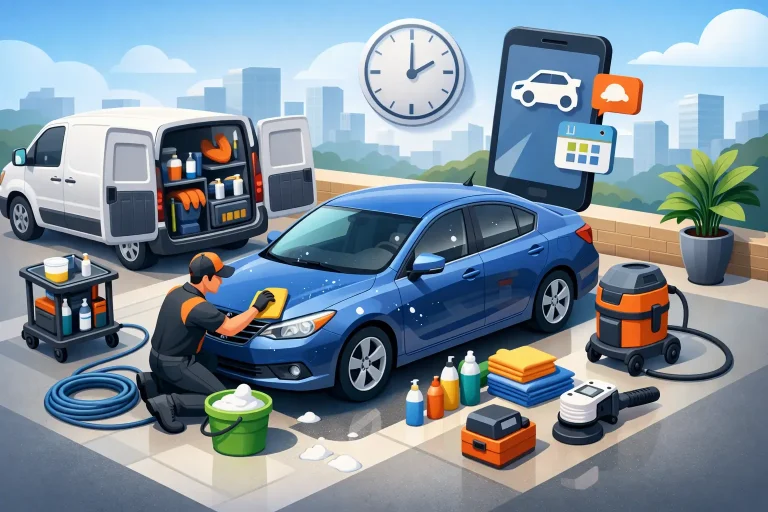
Mobile Auto Detailing Guide for Busy Owners
A mobile auto detailing guide for busy owners – what to expect, how to choose a provider, and when mobile service is the right fit.

A mobile auto detailing guide for busy owners – what to expect, how to choose a provider, and when mobile service is the right fit.

Ceramic coating review guide for car owners who want real protection, honest trade-offs, and clear advice on value, prep, upkeep, and results.
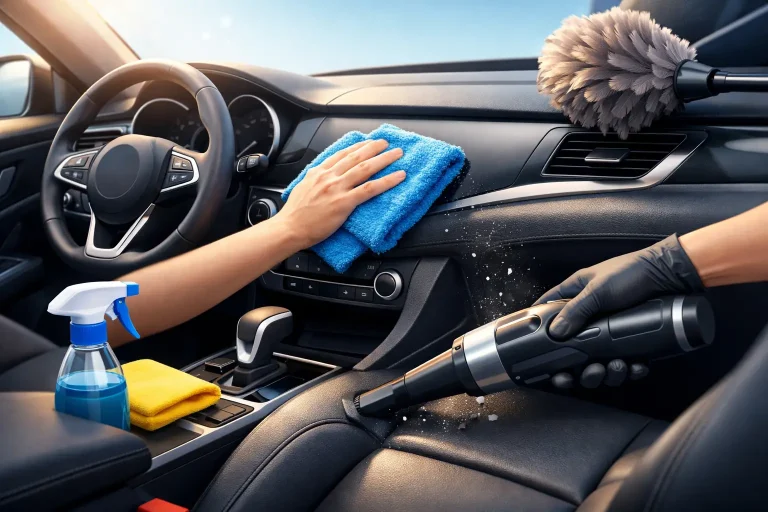
Learn how to keep car interior dust free with simple habits, smart cleaning methods, and professional protection that keeps surfaces cleaner longer.
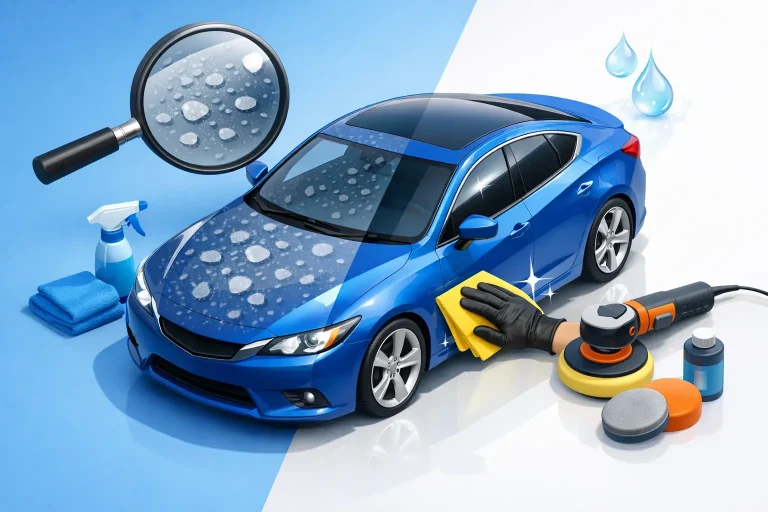
Water spot removal car methods vary by damage level. Learn what causes spots, what works safely, and when polishing is the right fix.

A concierge car care service saves time, protects your vehicle, and delivers expert detailing with pickup, updates, and premium care.

Auto detailing trends 2026 point to longer-lasting protection, cleaner interiors, and more convenient service for owners who value results.
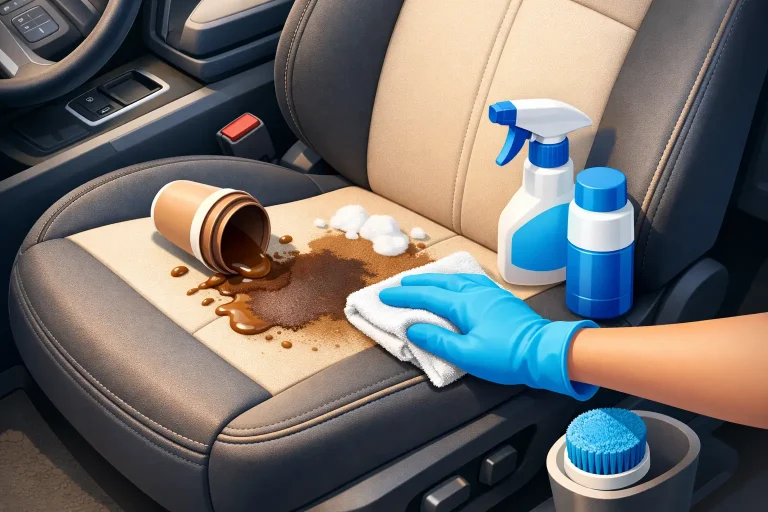
Learn how to remove coffee stains from car seats with safe, proven steps for cloth and leather, plus tips to prevent odor and set-in marks.
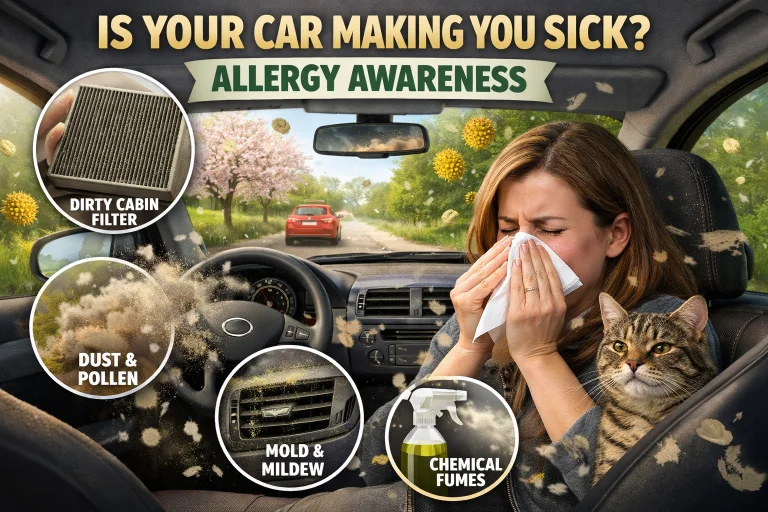
Your Vehicle Is the Room You Occupy Most After Your Home. Most people carefully maintain their homes. We vacuum carpets, replace HVAC filters, clean air ducts, and address dust or mold problems when they arise. Physicians routinely ask patients about their home and workplace environments when evaluating chronic cough, allergies, asthma, and other respiratory conditions Yet one environment is frequently overlooked: Your Vehicle For many Americans—and indeed for people around the world—their car, truck, or SUV is the second most frequently occupied indoor environment after their home. Commuters, healthcare workers, sales professionals, rideshare drivers, truck drivers, and busy families may spend hundreds, or even thousands, of hours each year inside a vehicle. Despite this, few people consider the quality of the air they breathe while driving. Chronic Cough, Allergies, and Asthma: A Growing Public Health Concern Chronic cough is generally defined as a cough lasting longer than eightweeks. Common causes include: Asthma affects millions of Americans and contributes to: Likewise, allergic diseases continue to affect a growing portion of the population. Many individuals experience symptoms triggered by environmental exposures, including: When evaluating these conditions, physicians often investigate environmental triggers. But how often do we ask about the patient’s vehicle? The Missing Environmental History As healthcare professionals, we routinely ask patients about: However, one important question is rarely included: “What is the condition of the vehicle’s cabin you spend hours in every week?” For some individuals, their vehicle serves as a mobile office, dining room, waiting room, and transportation hub all in one. This raises an important question: Could the vehicle environment be contributing to ongoing exposure torespiratory irritants and allergens? Why Vehicles Can Become Allergen Reservoirs Over time, vehicle interiors naturally accumulate contaminants from both outdoor and indoor sources. Common contaminants include: These materials can accumulate in areas that are rarely cleaned thoroughly. Carpets and Floor Mats Vehicle carpeting behaves much like residential carpeting. It can trap: Over time, these materials become embedded deep within carpet fibers. Upholstery and Seats Fabric seats and upholstered surfaces can capture airborne particles and allergens that are difficult to remove through routine vacuuming. Headliners The headliner—the fabric covering the interior roof of the vehicle—is one of the most overlooked areas of vehicle maintenance. Airborne contaminants can settle on these surfaces and remain undisturbed for years. Cabin Air Filters One of the most neglected maintenance items in modern vehicles is the cabin air filter. A contaminated cabin air filter may: Many drivers cannot remember the last time their cabin air filter was replaced. HVAC Ducts and Evaporators The vehicle air-conditioning system creates a cool, moist environment that may allow microbial growth under certain conditions. When moisture accumulates, it can contribute to: If you notice a damp or moldy odor when turning on your air conditioning, your HVAC system may be signaling the need for attention. Questions Worth Asking When evaluating environmental exposures, perhaps we should occasionally ask: These questions are rarely part of a routine environmental history, yet they may provide valuable insight into an individual’s overall exposure profile. What Science Supports It is important to distinguish scientific evidence from marketing claims. Current scientific literature supports the following observations: However, professional vehicle cleaning is not a treatment for asthma, allergies, or chronic cough. It does not replace medical evaluation, medications, or physician care. Instead, vehicle environmental hygiene should be viewed as one component of an overall strategy to reduce unnecessary exposure to environmental contaminants. Vehicle Environmental Hygiene: An Often-Overlooked Wellness Practice Most people schedule: Yet many have never performed a comprehensive interior environmental cleaning. Professional vehicle environmental hygiene may include: Professional service investments typically range from approximately $150 to $350, depending on vehicle size and condition. Who May Benefit Most From Paying Attention? Vehicle environmental hygiene may be particularly relevant for: These individuals often spend substantial time inside their vehicles and may benefit from maintaining a cleaner interior Final Thoughts We often focus on the environments where we live and work, yet overlook the one in which we may spend several hours every day. While vehicle detailing should never be viewed as medical treatment, maintaining a clean vehicle interior is a practical step toward reducing exposure to dust, pollen, debris, and other environmental contaminants. The air you breathe matters—whether you’re at home, at work, or behind the wheel. If you suffer from allergies, asthma, chronic cough, or other respiratory symptoms, consider discussing all potential environmentalexposures—including your vehicle—with your healthcare provider environment. About SPS Auto Consulting & Detailing SPS Auto Consulting & Detailing specializes in premium vehicle appearance care and vehicle environmental hygiene services throughout New Hampshire and Massachusetts. Services include professional interior detailing, carpet and upholstery extraction, headliner cleaning, cabin air filter replacement, HVAC sanitization, paint correction, ceramic coatings, and long-term vehicle preservation. “Your vehicle may be the second most occupied indoor environment in your life after your home. When was the last time you cleaned the air you breathe inside it?”

Learn how to fix swirl marks safely with the right wash, polish, and paint correction steps to restore gloss and protect your finish.

Paint correction before sale can boost buyer confidence and improve photos, but it is not always the right move. Here is how to decide.