A ceramic coating can make a black SUV look freshly detailed after a quick rinse, or leave an owner disappointed because they expected a scratch-proof shell that does not exist. That gap between marketing and reality is exactly why a ceramic coating review guide matters. If you are weighing the cost, the maintenance, and the long-term value, the right question is not whether ceramic coating is good. It is whether it is the right protection for your vehicle, your driving habits, and your expectations.
For many owners, the appeal is easy to understand. New England weather is hard on paint. Road salt, sand, pollen, tree sap, bug splatter, and constant temperature swings all add up. A quality ceramic coating helps by creating a durable protective layer that resists contamination better than wax and makes routine cleaning much easier. But easier is not the same as effortless, and durable is not the same as permanent.
Ceramic coating review guide – what it really does
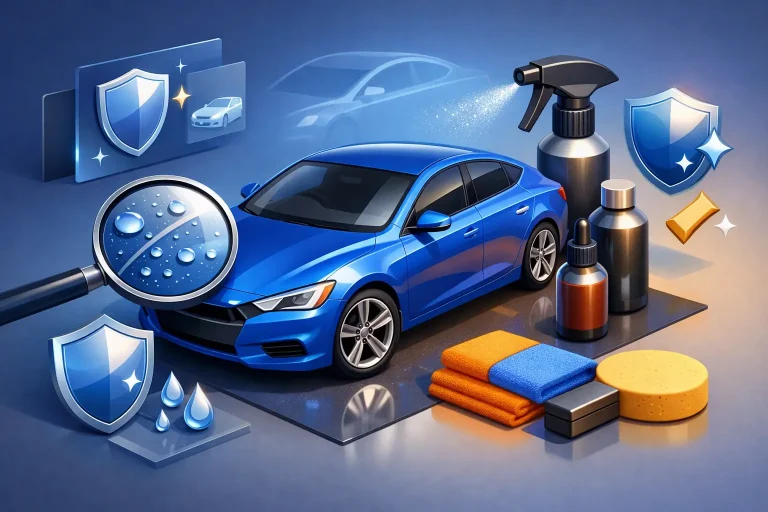
A professional ceramic coating is a liquid-applied protective product that bonds to the vehicle’s clear coat. Once cured, it adds chemical resistance, UV resistance, and hydrophobic behavior, which means water beads and rolls off more readily. Dirt and grime have a harder time sticking, so washing becomes faster and safer.
That last point is often underrated. The value of a coating is not just the shine on day one. It is the way it helps preserve the finish over time by reducing the grip that contaminants have on the surface. When a vehicle is washed properly, coated paint usually releases grime with less friction, which lowers the chances of wash-induced marring compared with neglected, unprotected paint.
Still, there are limits. Ceramic coating does not make paint immune to rock chips, deep scratches, or careless automatic car washes. It does not stop poor washing from creating swirl marks. It also does not mean your vehicle will stay clean for weeks in slushy weather. It simply means cleanup is easier, protection is stronger than wax or sealant, and the finish tends to stay glossier with proper care.
What a good ceramic coating review should actually measure
A lot of reviews focus too heavily on the initial gloss. Shine matters, but it is only one part of the picture. A useful review looks at performance over time.
The first thing to evaluate is surface preparation. This is where many consumer comparisons fall apart. A coating is only as good as the paint underneath it. If the vehicle was not properly decontaminated and polished before installation, the coating may lock in imperfections and fail to bond as intended. That is one reason professional results look different from shortcut jobs.
The second factor is real-world durability. Does the coating still bead water after months of daily driving, outdoor parking, and repeated washing? Does it hold up through winter grime and summer sun? Longevity claims on a label can sound impressive, but actual performance depends on prep, product quality, storage conditions, mileage, and maintenance habits.
The third factor is maintenance. A strong coating should make washing easier, but it still needs routine care. If an owner wants to run the car through aggressive tunnel washes every week, the coating may not perform at its best for as long as promised. That does not mean the coating failed. It means the maintenance plan did not match the protection level.
Gloss, slickness, and water beading are not the same thing
Many owners judge a coating by how slick it feels or how tightly water beads. Those are useful clues, but they are not the whole story. Some coatings feel slicker than others. Some bead aggressively at first, then settle into a different behavior while still protecting well.
Chemical resistance and ease of cleaning are often more important than dramatic water behavior. A coating that sheds grime well during winter and helps prevent stubborn contamination is doing meaningful work even if it does not create the most dramatic social-media-style beads.
Is ceramic coating worth it for every driver?
Not always. The honest answer depends on the vehicle and the owner.
If you keep your car for years, care about appearance, and want to protect resale value, ceramic coating often makes strong financial sense. It helps reduce the wear and tear that builds up from sun exposure, environmental fallout, and frequent washing. It can be especially valuable on dark paint, luxury vehicles, newer vehicles, and daily drivers that see harsh seasonal conditions.
If you trade vehicles often, park indoors, and rarely care how the paint looks between washes, a full coating package may not be essential. A simpler protection option could be enough. The same is true if the vehicle already has significant paint damage and the owner is not interested in correction work beforehand.
That said, many busy professionals and families choose coating for one practical reason: time. A protected vehicle is usually quicker to wash, easier to dry, and less frustrating to maintain. For people who want their car to look consistently cared for without constant effort, that convenience has real value.
Ceramic coating review guide – common myths to ignore
The biggest myth is that ceramic coating means no more washing. In reality, washing matters more, not less. Proper maintenance preserves performance and keeps contamination from building up on top of the coating.
Another myth is that every coating is basically the same. There are major differences in formulation, installer skill, prep quality, and aftercare support. A low-cost option may look appealing until you compare the finish quality, durability, and service process.
Then there is the belief that ceramic coating automatically fixes bad paint. It does not. If the paint has swirls, oxidation, water spots, or haze, those flaws usually need correction before the coating goes on. Otherwise, they remain visible under a glossy protective layer.
What separates professional coating work from a quick add-on service
The difference usually starts before the bottle is opened. Professional coating service involves a careful inspection, paint-safe wash methods, iron and fallout removal, clay treatment when needed, polishing, panel prep, controlled application, cure time, and clear guidance on aftercare. That process takes time because quality protection depends on clean, corrected, properly prepared paint.
By contrast, a rushed add-on service may skip important preparation or apply a short-term product while presenting it as a premium coating. That can leave owners feeling like ceramic coating is overhyped, when the real issue was the process.
A trusted installer should be transparent about what is included, how long the service takes, what kind of durability to expect, and what maintenance is recommended afterward. Certifications, insurance, and a strong track record matter because they signal that the work is being done to a professional standard, not improvised on the fly.
How to decide if a coating package is a smart investment
Start with your goals. If your priority is maximum gloss for a special vehicle, prep and paint correction may matter as much as the coating itself. If your priority is easier maintenance for a daily driver, focus on practical durability and aftercare rather than flashy claims.
Next, consider how the vehicle is used. Outdoor parking, long commutes, winter driving, and infrequent washing all increase the value of stronger protection. A garage-kept weekend car has different needs than a family SUV that sees school drop-off, highway miles, and salted roads.
Finally, look at the ownership experience, not just the product. A premium coating service should include clear expectations, proper prep, and guidance after installation. That full experience is often what delivers long-term satisfaction. SPS Auto Detailing, for example, built its reputation around that kind of craftsmanship and customer care, which matters when you are trusting someone with a vehicle you plan to keep looking its best.
The real verdict
The best ceramic coating review is not the one that promises miracle results. It is the one that tells the truth. Ceramic coating is one of the most effective ways to protect automotive paint and make maintenance easier, but it works best when the prep is done correctly, the product is professionally applied, and the owner understands what it can and cannot do.
If you want less time fighting grime, stronger protection than wax, and a finish that stays sharper through the seasons, ceramic coating is often worth it. If you want a zero-maintenance, damage-proof surface, no coating will meet that standard. Set the right expectations, choose a qualified professional, and the results usually speak for themselves long after the first glossy photo is taken.