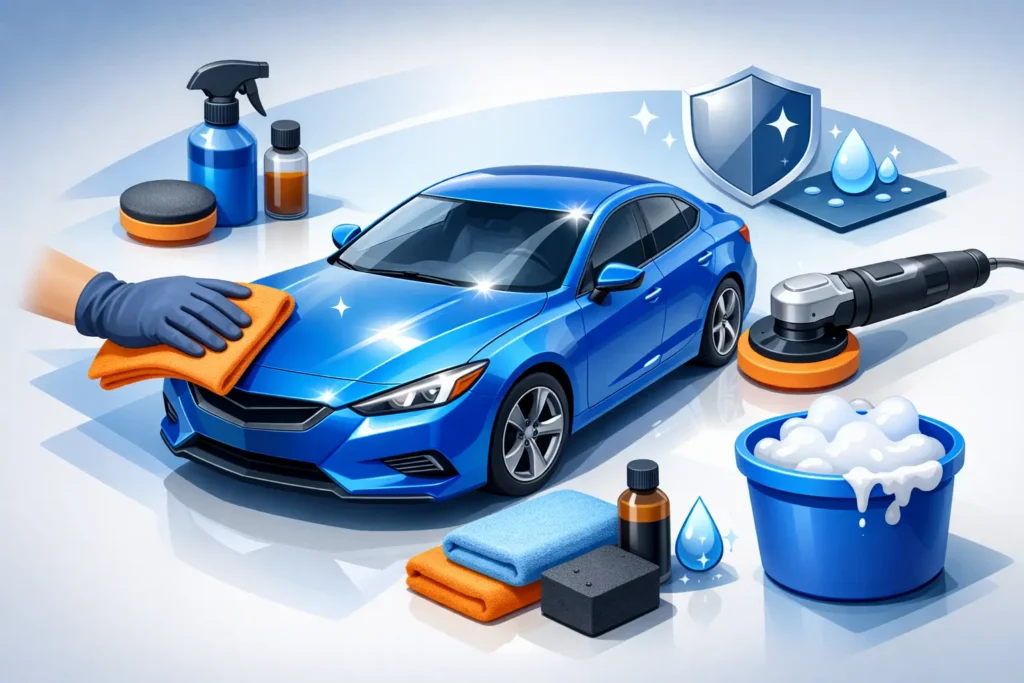
How to Maintain Ceramic Coating Right
Learn how to maintain ceramic coating with the right wash routine, drying methods, and care tips to protect gloss, water behavior, and finish.

Learn how to maintain ceramic coating with the right wash routine, drying methods, and care tips to protect gloss, water behavior, and finish.
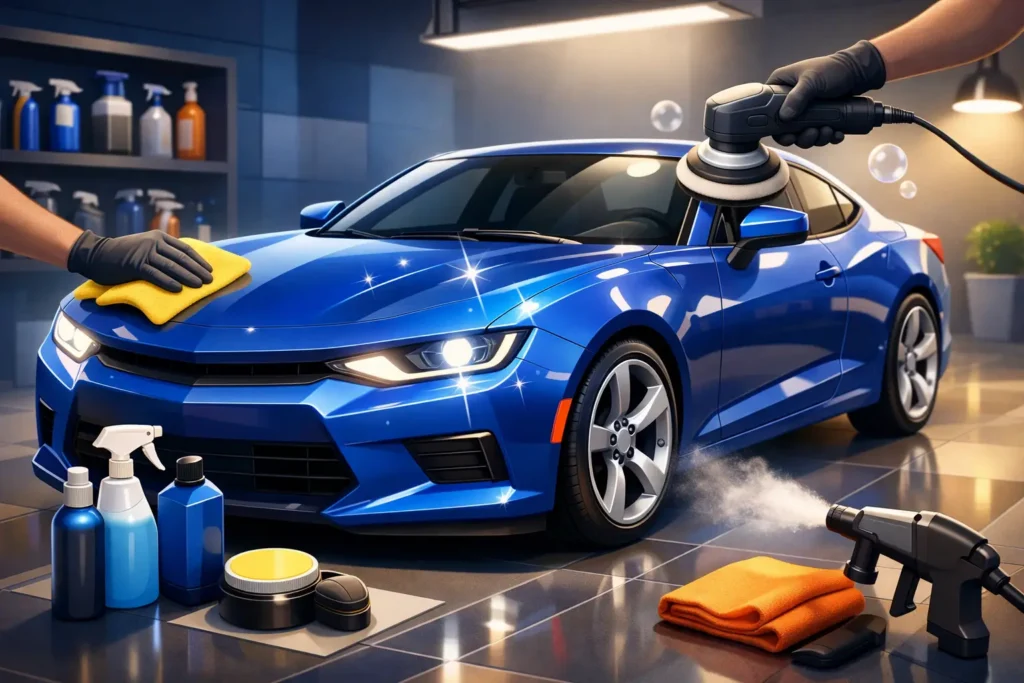
Showroom shine car detailing restores gloss, cleans deeply, and protects your vehicle inside and out with results that look better and last longer.
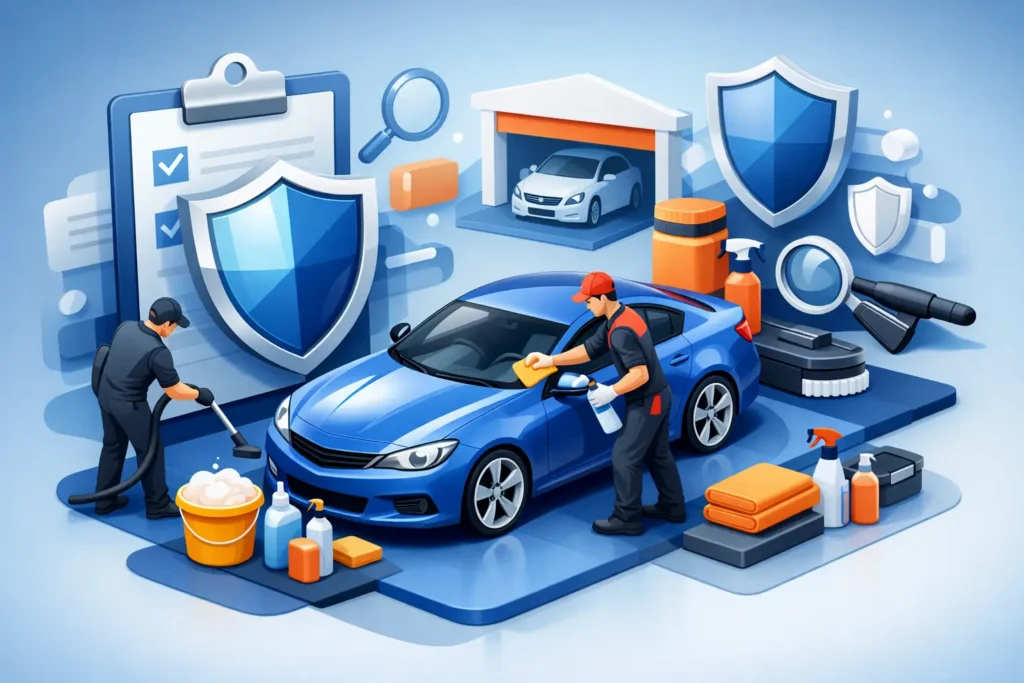
Choose an insured auto detailing service for real protection, trained care, and peace of mind when your vehicle needs premium cleaning and care.
Learn the real certified auto detailer benefits, from better paint protection and safer methods to higher trust, stronger results, and value.
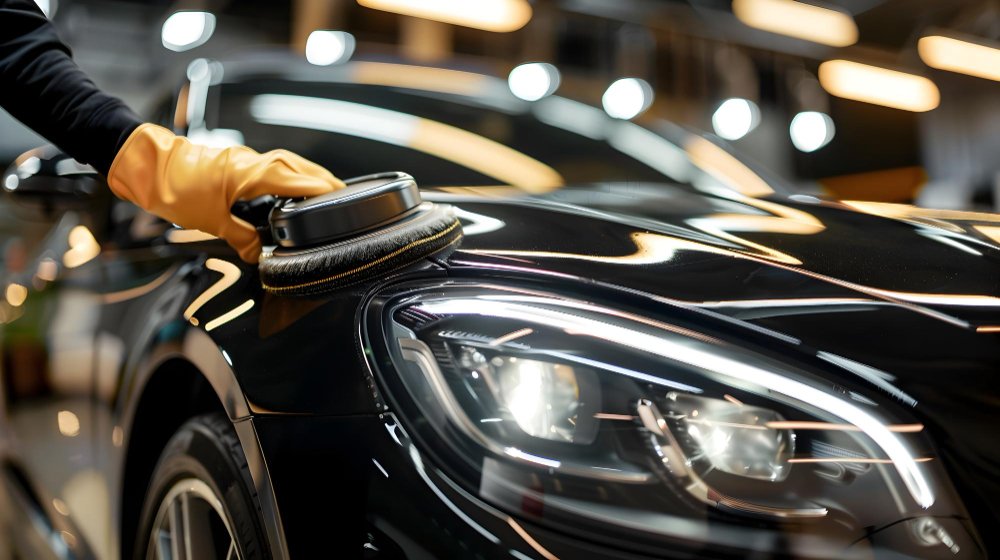
Health and Sanitation Are Not a Luxury Your car is a closed environment where you spend hours every week. What if I told you the car’s interioris one of the dirtiest places you occupy? It is often a breeding ground for germs and allergens. Think about it. You touch the steering wheel, shifter, and radio constantly. You sneeze, spill drinks, and eat food, all of which contributes to a buildup of grime and bacteria. A car’s interior can be a hotbed for germs, creating a genuine health hazard that a regular car wash won’t solve. This is where professional car detailing makes a huge difference. Detailing involves more than a quick wipe-down. Detailers use specialized techniques, cleaners, and steam cleaning to sanitize surfaces. They perform a deep cleaning on carpets and upholstery to remove allergens, mold, and bacteria. The detailing process includes cleaning areas you can’t see, like air vents, improving the air quality inside your vehicle. This sanitation creates a healthier environment, which is absolutely vital for families with kids or people with allergies. Protecting Your Big Investment For most people, a car is the second-biggest purchase they will ever make. It’s a massive financial asset. Detailing helps you protect that investment and makes saving money on future repairs much easier. Daily driving exposes your car’s exterior to a lot of abuse. Sun exposure, acid rain, bird droppings, and road salt all eat away at the clear coat which is the protective layer over your exterior paint. Regular detailing is preventative maintenance for your car. Services like applying a wax or paint protection act as a shield. They block these harmful elements and prevent paint damage from occurring. This isn’t just about looks, as detailing prevents serious issues. Once the clear coat is gone, the paint job starts to fail and faded paint becomes a problem. Then rust begins to form, which can cause serious structural damage, making the car unsafe and expensive to fix. A well-maintained car also holds its value much better, leading to an enhanced resale value. When it comes time to sell, potential buyers care a lot about appearance. A professional car with pristine paint and a clean interior can be worth thousands more, making car care a smart financial move that helps maintain your car’s resale value. It’s Also About Driver Safety A clean car is a safer car. This point gets missed all the time, but it’s critically important for any driver on the road. Think about visibility, a crucial component of safe driving. A professional detailing service doesn’t just wash your windows. They deep clean the glass inside and out, removing the film and grime that cause glare, especially at night or during a long road trip. Headlights are another major safety feature that a detailing shop can address. Over time, plastic headlights turn yellow and hazy from sun exposure, dramatically reducing light output. Headlight restoration is a standard service that can make them bright again. A clean and organized interior also reduces distractions. You’re not fumbling around looking for things, and there are no empty bottles rolling under your brake pedal. A detailed car has a tidy cabin which helps you keep your focus on the road where it belongs. Even exterior detailing can uncover safety concerns. While cleaning wheels and tires, a detailer might spot uneven wear or minor issues with the brakes. A clean engine bay, often an add-on service, not only looks great but makes it easier for a mechanic to spot oil or fluid leaks. Car Wash vs. Professional Detailing Some people might say they just go to the automatic regular car wash. That is not the same thing at all. It’s important to understand the huge difference between a quick wash and real car detailing. A drive-thru car wash is for surface-level cleaning. It’s fast and cheap. But those spinning brushes can be abrasive and filled with grit from other cars, causing damage caused by fine scratches, called swirl marks, all over your vehicle’s exterior. Professional detailing service is a completely different process. It’s done by hand with care and skill by a detailing car specialist. A detailer will clean every inch of your car, from the engine bay to the exhaust tips, including hard-to-reach areas. The process includes exterior cleaning but is much more thorough. The process includes a gentle hand wash, decontamination to remove embedded grit, and often a clay bar treatment to make the paint smooth. This meticulous work is what truly takes care of a vehicle. The Economic Importance We should also talk about money and jobs. The auto detailing industry is mostly made up of small, localbusinesses. These are entrepreneurs who have invested their lives into their craft, whether it’s a fixed detailing shop or a mobile detailing service. They hire people from the community and pay taxes that support local services. When you get your car detailed, you are helping a small business owner support their family. A steady stream of appointments means they can create a work order and keep their staff employed. This is a critical part of any local economy. These services create jobs and contribute to the community’s financial health. Many detailing businesses now use modern management and scheduling software/CRM software like Urable, HiLevelPro, Thryv to streamline their operations. CRMs helps these businesses efficiently manage appointments, invoicing, customer communication, and payroll, allowing detailers to focus on providing top-quality service rather than administrative headaches. Auto detailing apps also help businesses maximize efficiency, reduce cancellations, and improve customer satisfaction, which in turn supports job stability and business growth. Professional detailers are also increasingly committed to environmentally responsible business practices, often using water-reclamation systems and eco-friendly products to minimize their impact. So, Is Auto Detailing an Essential Service? Is house cleaning essential? The answer is obvious by now. The label “luxury” just doesn’t apply when you think about the health, safety, and financial benefits. Detailing includes services that play a key role in responsible car ownership. Perhaps We
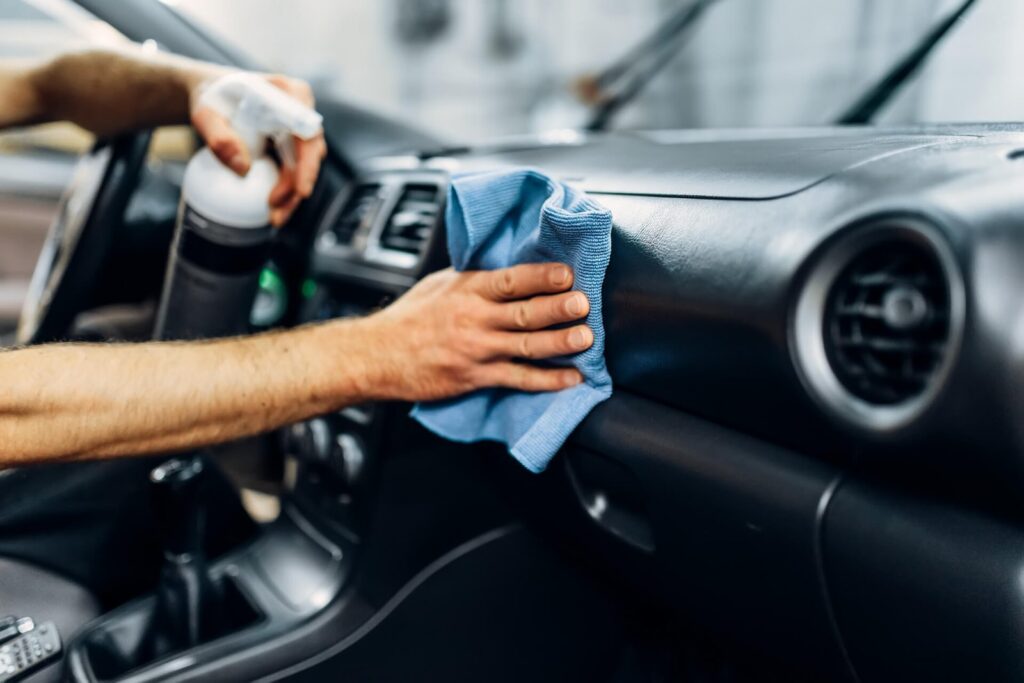
What makes the car dirty?● Dust – naturally accumulates- unavoidable● Water – if spilt – dry it right away with a microfiber cloth, absorb it; don’t rub it off.● Spills – coffee, soda, sugary drinks.These stains form a breeding ground for bacteria and other microbes. They do hidden damage under the surface of upholstery and carpets. Use a dry cloth and absorb the spill; don’t clean it or rub it in deeper.● Use disinfecting cloth or spray. Allow it to sit for a few minutes to treat it, and apply steamer spray.Have a small trash bag to put trash items in during a long trip.Keeping coffee cups and drinks in the cup holder can leave stains.Having coasters in cup holders may be a good idea. They are quite inexpensive.It’s a good idea to have some plastic trash bags in case someone needs to throw up while driving in a hilly terrain or stop-and-go traffic.Travelling with babies and children on long trips is part of a family routine.A few extra efforts can help to keep the interior clean and tidy. Common Items retrieved from the interiors of cars by detailers:Keys, Coins, Pens, Refills, Toothpicks, Candies, Mints, Toys, Sticks, Small tools, Papers, Bills, Ear Earrings.Pre-cleaning your car before the detailer gets to their work saves a lot of time and $ for both parties. Headliner and panels:These are delicate parts of the interior decor. One cannot use a lot of liquid cleansers to remove stains. It is not a place to routinely scrub to make it cleaner; in fact, it can get uglier than it was. So avoid touching headliners with dirty hands. Of course, detailers know how to detail and clean them when needed.Carpets and mats are designed to take on dirt. The problem is that the micro dust accumulation is not visible, and we think we have a clean carpet. It is better to periodically (every 6-8 weeks) Depending on usage, steam clean and shampoo, then extract the dirt with a carpet extractor. At home, would you let the living room carpet or floor runners go by for long without shampooing and cleaning? The car is no different, in fact needs More cleaning, particularly for people with allergies and asthma.Detailers charge this service as an upsell for $ 100-150. If you don’t have the time or equipment, it is ok to let the detailer do this service. Otherwise, this part of the cleanup will take up to 60 minutes of your time. Extractors and supplies are available for a reasonable price in the market. Make sure you let the carpets, mats dry completely before reusing them. A moist surface is a friend for moldy growth. Activities that make your vehicle soiled:Beach tripThe sand is so fine that it easily scatters everywhere inside the car. The wetness with salt gets into the deeper layers of upholstery (sponge) and carpet padding. It is very difficult to clear them.Prevent it by showering and getting into dry clothes before entering the car.Use big plastic wraps on seats and carpets (except driver’s side). Camping, hiking, and trips to home improvement stores, eg, buying garden supplies and equipment.Going into the wilderness is prone to make your shoes and clothes soiled and wet. Use plastic or paper wraps on trunk, seats, and floors as much as possible.Be mindful of the driver’s side seat and floor, so as not to compromise safe driving.If the sand and soil are not cleaned soon enough, you risk having to spend a lot more time scrubbing and cleaning the mats. Also, take care not to damage the vinyl and trims when you haul your camping gear.It is much better to eat at your dining table mindfully, enjoying and relishing your food, than eating in a hurry while driving, jeopardizing the safety and cleanliness of the car.If you transport food, make sure it is well sealed so that the aroma does not change your car’s clean odor.For the smokers of tobacco or cannabis, be aware that the smell and dust settle in every nook and corner of the car and your clothes. This results in second-hand and third-hand tobacco exposure to your co-passengers that include your family and friends. The babies and kids in the car are unnecessarily exposed to secondhand smoke. They don’t deserve that. To clean and eliminate this toxin takes several hours of deep cleaning, including ozone treatment, which takes several hours to cure and resume usage of the car.Sometimes residual Odor persists. It becomes necessary to change the cabin air filter as well to get to the root of the issue. Obviously, there is an extra cost to buy and replace the air filter. You all have seen the sign on the rental car agreement that they can charge up to $250 if smoked in the rental car. If the rule is followed for the rental car, why not apply that to your own car?Sanitize your car once, and resolve not to smoke in your car. That may help you cut down and eventually quit the habit.At the end of the day, you should be driving and traveling in a clean, sanitized car all the time. This will help you save money & time in the long run. Drive Safe 🙂
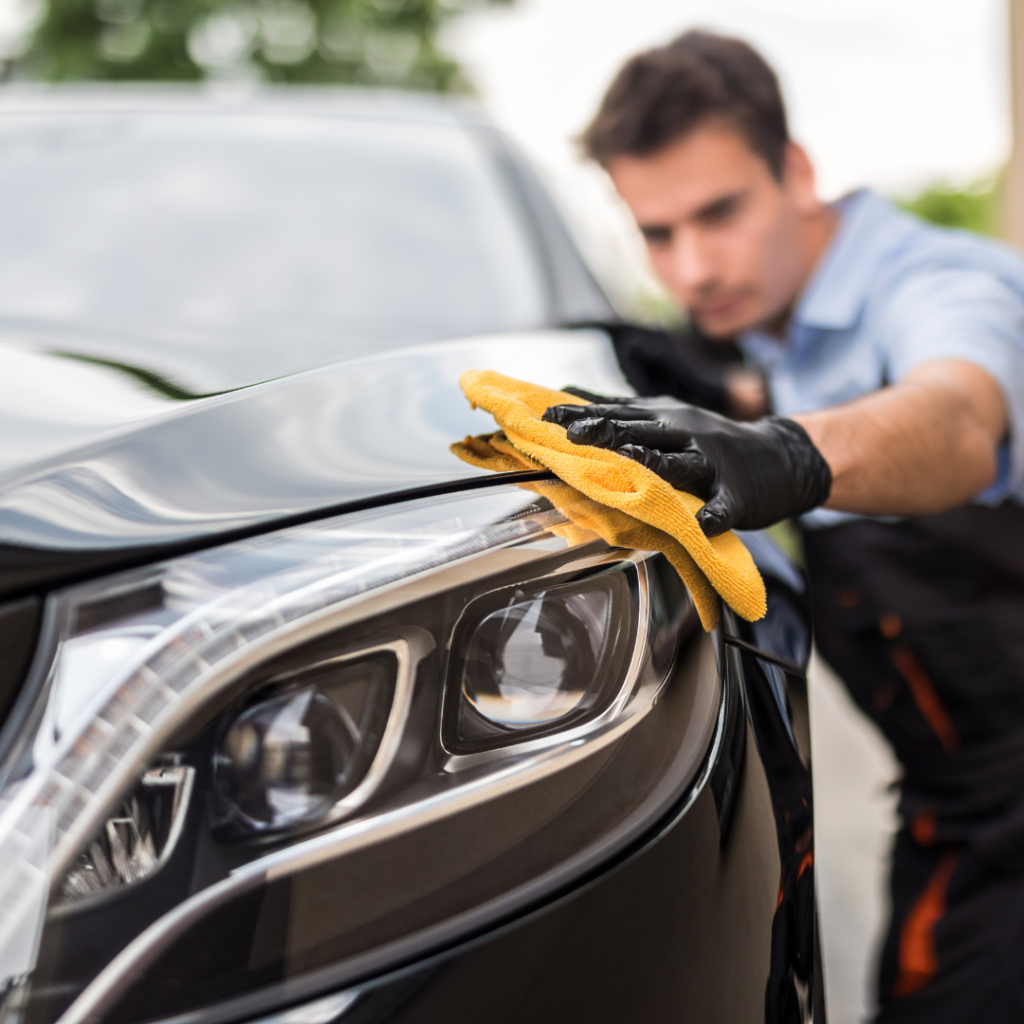
Car washing or detailing? Why do I prioritize a clean and well-maintained vehicle? Beyond being a significant asset, a car represents a thoughtful investment. I keep it maintained to guarantee durability and peak performance. While some replace their cars every 5-7 years, others keep them for decades. I strive for my car to operate at its full potential. Although I’m not a mechanic, I appreciate understanding how it works. Sadly, U.S. workshops often restrict observation due to insurance and safety regulations. Is there a definitive method for cleaning a car? Not necessarily. While automatic car washes offer a quick solution for removing dirt, car enthusiasts prefer hand washing and detailing. They stay clear of the possible harm caused by steel rollers, guides, and rough bristles. Moreover, self-detail can be a fulfilling experience. Since the amount of cleaning solution used is frequently little in relation to the size of the container, it is economical. Professional detailers are paid for their time and knowledge. Fortunately, eco-friendly cleaning products and water-efficient technologies are now readily available. There are several reasons why I want a clean car: Safety: Cleaning allows one to examine parts and spot potential problems, such as low tire pressure or washer fluid. Well-being: Happiness and mood are improved by a clean atmosphere. Investment Protection: Your priceless asset is protected by proper upkeep. Lease Compliance: By keeping leased cars maintained, penalties are avoided. sset is protected by proper upkeep. Resale Value: A clean, well-maintained vehicle has a longer lifespan and is more valuable when sold. Reliability: The likelihood of requiring roadside assistance is decreased by preventive maintenance.
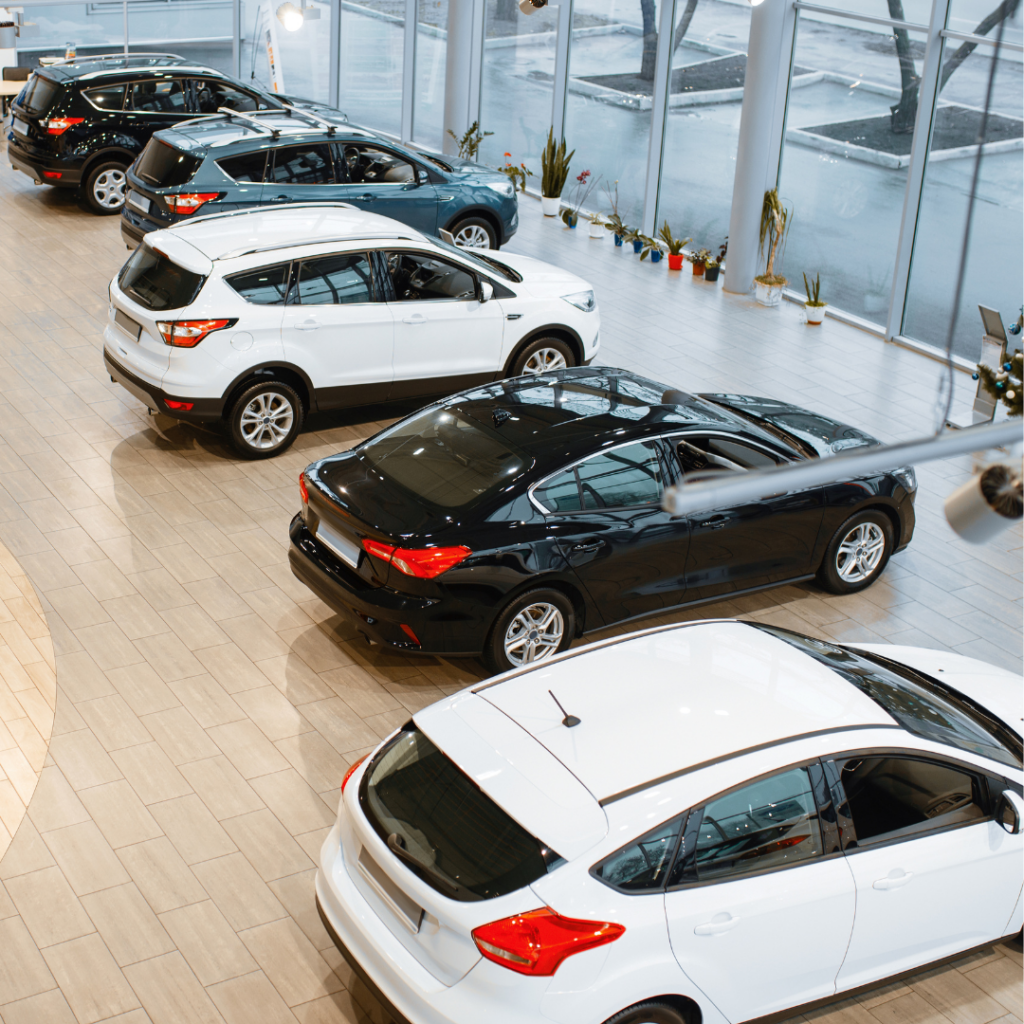
Cars in My Life Cars have been a passion of mine since childhood. I remember when I was in elementary school, sitting inside the car, operating every switch, sometimes turning the engine on, changing gears, but not moving the car! As I grew older, around age 10, my dad let me start driving the car in the playground and later the streets with active supervision. Eventually, I began driving on the highways, with my dad available to take over the wheel by sliding across the bench seat. Sometimes, I would think he would take over and wait for him! Whenever I got a chance, I would take the wheel. In the 1980s, traffic in India was not like it is now; it was still not as regulated as it should have been. I eventually got my driver’s license at the age of 16. At the time, the major car brands were Ambassador and Fiat. Occasionally, you could see a Standard 10 or a Herald, and later the Contessa (a luxury version of the Ambassador) and the Standard 2000, the luxury version of the Standard 10, which rose and fell very quickly. The Ambassador, which initially evolved from the Morris Minor to New Look, became a part of history, with rumors that it might resurge in a different version—perhaps an EV? The mid-1980s saw the emergence of Maruti, which was in collaboration with Suzuki. In subsequent years, various Suzuki models were introduced in India. After we left India in the mid-1990s, many models of different global brands started appearing on Indian roads. Recently, one can see almost any global brand on the streets of India. From the early 2000s, Indian highways dramatically improved, linking every corner of the country and enhancing road transportation. Highways and traffic management have significantly improved, but driver safety still lags. Given the current traffic, the number of accidents is relatively low. I still enjoy driving in India, especially with a manual transmission in a right-hand drive car. We made many memories as a family as I grew up with our iconic family car—Ambassador MDO 8200, which my dad bought brand new when I was 3 years old. Numerous trips with family and friends across South India were made, usually with 5 to 10 people in the car. At that time, it was not cost-effective to travel solo in the car due to the cost of fuel and maintenance. I remember a 10-day tour of Ooty, Mysore, and Mangalore, returning to our home in Coimbatore via Kerala. On this trip, we were two families—11 people—and my dad was the only driver the entire time. It was unforgettable fun in the mid-1970s. We had the car until 1996, and I felt sad each time I left it to go out of town, especially when we left for England. Interestingly, a close family in Bangalore bought their Ambassador, MYQ 2270, around the same time, and I believe they are still maintaining it to this day—55 years later. It is truly an antique piece to cherish. Over 26 years, our MDO 8200 underwent several “bumper-to-bumper” transformations. The color changed from the original black to “buckskin” brown, elephant gray, and finally to a delicate silver. The running boards and sheet metal were repaired, repainted, or overcoated several times. The engine was reconditioned several times, and major mechanical parts were overhauled or replaced. Numerous sets of tires were retreaded or replaced with new ones. Oh, the retreading technology is rarely seen these days. The upholstery was upgraded a few times as well. One summer, I spent the whole time with my friendly mechanic while the engine was dismantled and new parts were installed, giving the car a new ride. In the mechanic shop, I would assist without disturbing their work. Kasi, my mechanic, would tell other customers that when our car came in, there was less to worry about because it was properly cared for. Later, when petrol prices began soaring, the trend was to convert to diesel engines. The available engines that would fit an ambassador car were the Trekker diesel engines made by Hindustan Motors for their trucks, and some Ambassador cars were built with these engines at the HM plant in Calcutta. Many people installed the diesel engine made for Matador trucks, custom-designed to fit the Ambassador, with modifications to the chassis, suspension, transmission, and electrical system to accommodate the engine’s extra weight. We did this conversion as well. However, maintenance costs began to rise. As we moved to the UK and then to the USA, it became increasingly complex to maintain the car the way I liked it. I strongly encouraged my dad to sell it and get a new car. So, our MDO 8200 had to find a new home. My parents then bought a Maruti Suzuki 800cc in bright red. I was surprised they chose red, but in the end, I grew to love it, so much so that four of my subsequent vehicles were red. I was also responsible for maintaining the car in good condition for our long trips. Cars have always been such an enjoyable hobby, and I enjoyed it during my school and college days. It later evolved into a passion. So much so that my family jokes that the car is my “first wife.”
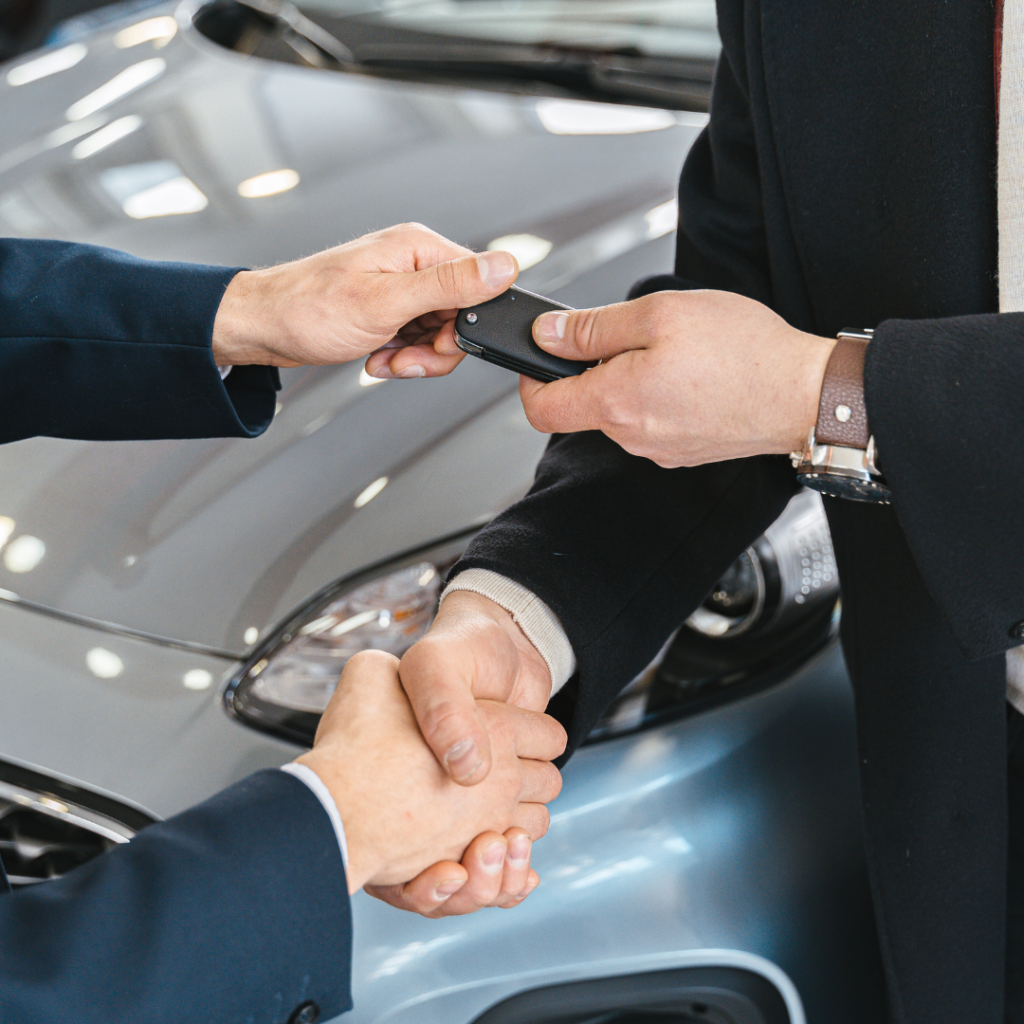
Purchasing a new home or car is frequently one of the most important choices a person will ever make. These decisions have several emotional, financial, and logistical factors that can be both exhilarating and taxing. They also require commitment, hard work, and time. Whether buying a car or a house requires careful planning and thought to ensure the purchase is wise, beneficial, and ultimately satisfying. It may take weeks or months to consider your options, understand the tiny language, and deal with financial issues to make the best decisions. Time The amount of time spent researching A vehicle or a home is often substantial. People typically do not rush into either of these purchases, as they are usually high-cost investments. The comfort level with the decision frequently increases as more research is done and the buyer is better informed. The more time you dedicate to exploring various makes and models of vehicles, the more comfortable you will feel with your decision. Comfort also stems from narrowing down choices based on personal preferences and requirements. For instance, when buying a car, you might spend time deciding on the model, safety features, fuel efficiency, and price range. The confidence level increases when a person feels well-informed that the decision has been made after careful deliberation. Energy Buying a house or a car may take a lot of mental and physical effort. When purchasing a vehicle, it is often necessary to travel to multiple dealerships, test-drive cars, and have lengthy discussions with salespeople. Mental energy is the most draining. The amount of thought put into each component affects long-term enjoyment, so it’s essential to consider how the purchase will affect you years from now. Money Making sure that the financial planning is sound is one of the most important factors when buying a home or car. Even though I could have the entire amount to pay for it upfront, both purchases sometimes need financing. Managing loan terms, interest rates, down payments, and monthly installments are common financing aspects. Careful budgeting is necessary because they are substantial financial obligations. Monthly installments and insurance premiums must be considered when purchasing a car. Mortgages, taxes, insurance, and even unanticipated maintenance or repair expenses are all associated with a home. It is necessary to plan for these costs by considering both the initial outlay and the long-term financial effects. Will you still be able to afford the house or the car? Are there any unforeseen expenses that could surface later on? A financially sound purchase requires understanding your financial capabilities and how the choice will impact your future security. Uncertainty There’s always an element of uncertainty when purchasing a vehicle or home, which can make the decision-making process more difficult. With a car, you may worry about its resale value, potential for maintenance costs, or how long it will meet your needs. With a home, concerns about future market trends, neighborhood safety, and even unforeseen natural disasters can make the decision feel more like a gamble. While some uncertainty is inevitable, thorough research and expert advice can reduce these risks. Consulting with professionals—like an independent automobile consultant, financial advisor, or real estate agent —can help alleviate concerns and give you a clearer picture of what to expect. The Right Decision Whether the purchase is the “right” decision is personal. It involves evaluating not just the practical aspects of the purchase but also the emotional satisfaction derived from it. While a home provides security and stability, a car often represents freedom and convenience. The key to making the right decision is ensuring the purchase aligns with your long-term goals. For example, a family may prioritize space, safety, and proximity to schools when purchasing a home, while someone buying a car may focus on fuel efficiency, cost-effectiveness, and reliability. The right decision should be based on both your current needs and your long-term vision for the future. Knowledge Knowledge is power when it comes to making any large purchase. Knowing about the vehicle or home you are considering helps you make an informed decision and avoids the pitfall of regret. With cars, it’s crucial to understand fuel economy, safety, comfort, technology features, warranties, and reliability. With homes, a thorough understanding of the neighborhood, market trends, property taxes, and future resale value is vital. Research The importance of research cannot be overstated. The more time spent learning about your options—comparing car models or researching the home-buying market- the more likely you will make a well-informed purchase. Research equips you with the knowledge to negotiate better deals, avoid unnecessary add-ons, and ultimately make a purchase that fits your needs and budget. If you are too busy to do it yourself or are new to this country, you can seek an expert consultation who is familiar with the nuances of buying your desired automobile. At the dealership Being prepared and knowledgeable at a car dealership or working with a real estate agent shows you are well-informed. Salespeople often aim to close a deal, sometimes using pressure tactics or trying to upsell unnecessary features. Knowing the actual value of what you are buying, being clear on your budget, and not being afraid to walk away from a deal can ensure you don’t end up paying more than you should. In the case of car dealerships, being aware of the invoice price (what the dealer paid for the car) versus the MSRP (manufacturer’s suggested retail price) can give you a negotiating advantage. The Fine Print One of the most important—and often overlooked—elements of any purchase is the fine print. Contracts for cars and homes come with many terms and conditions that require scrutiny. Hidden fees, unexpected costs, and clauses that could impact on your decision later often lurk in the fine print. It’s essential to read all documents thoroughly before signing anything. When in doubt, ask to clarify your doubts. This includes financing terms, insurance requirements, and warranty details for CA purchases. For homes, it could involve reviewing closing costs, mortgage terms, property taxes,