
Ceramic Coating vs. PPF: Which Is Better for Your Car in Pelham, NH?
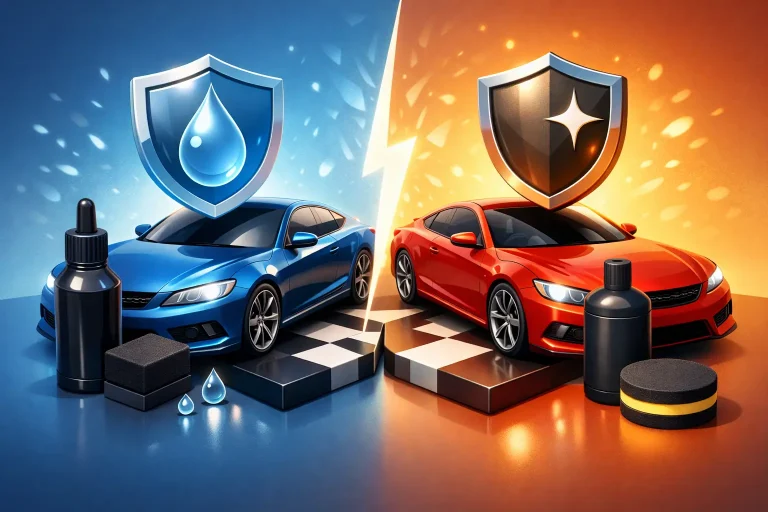
Your vehicle’s paint faces more than everyday dirt and dust. In Pelham, NH, changing weather, road salt, gravel, road debris, UV exposure, and environmental contaminants can all affect its appearance over time. Fortunately, modern paint-protection solutions can help preserve your vehicle’s finish. If you’re comparing ceramic coating vs PPF in Pelham, NH, it’s important to understand that these two options protect your vehicle in different ways. Ceramic coating creates a protective, hydrophobic surface, while Paint Protection Film (PPF) provides a physical barrier against impacts and road debris. So, which one is right for your vehicle? Let’s compare them. What Is Ceramic Coating? Ceramic coating is a professionally applied protective layer that bonds with a vehicle’s paint or clear coat. Once cured, it creates a durable surface that helps repel water, dirt, and certain environmental contaminants. One of the biggest advantages of ceramic coating is its hydrophobic effect. Water tends to bead and roll off the surface, making routine washing and maintenance easier. It can also enhance the depth and gloss of properly prepared paint. What Does Ceramic Coating Protect Against? Ceramic coating can help protect the paint from: UV exposure Dirt and road grime Environmental contaminants Water and moisture Certain chemical contaminants Water spots when properly maintained However, ceramic coating should not be considered scratch-proof or rock-chip-proof. It is primarily a surface-protection solution rather than an impact-absorbing film. What Is Paint Protection Film (PPF)? Paint Protection Film, commonly called PPF, is a transparent protective film installed directly over painted vehicle surfaces. Its main purpose is to provide physical protection from road hazards. When driving on highways or roads where gravel and debris are common, the front of a vehicle can be particularly vulnerable to chips and scratches. PPF provides a protective barrier between those hazards and the factory paint. What Does PPF Protect Against? Depending on the film and circumstances, PPF can help protect against: Rock chips Road debris Minor scratches Stone impacts Environmental contamination Everyday wear on vulnerable painted areas Some modern PPF products also feature self-healing properties that can help minimize certain minor surface scratches when exposed to appropriate heat. Ceramic Coating vs. PPF: What’s the Difference? The biggest difference comes down to the type of protection each product provides. Feature Ceramic Coating PPF Main purpose Surface protection Physical impact protection Rock-chip protection Limited Stronger Hydrophobic properties Yes Depends on film Gloss enhancement Yes Can enhance appearance UV/environmental protection Yes Yes Minor scratch protection Limited Better physical protection Self-healing Generally no Available with some films Best suited for Easier maintenance and surface protection Impact and chip protection Neither option is universally better. The right choice depends on your vehicle, driving habits, budget, and the type of protection you want. Is Ceramic Coating Better Than PPF? Ceramic coating can be a good choice if your priority is keeping your vehicle glossy, easier to clean, and protected from everyday environmental contaminants. PPF may be more suitable when physical protection from rock chips and road debris is your primary concern. For example, someone who mainly drives locally and wants easier washing and a glossy finish may prioritize ceramic coating. A driver who regularly travels on highways may place greater value on PPF for vulnerable areas of the vehicle. Should You Get Ceramic Coating or PPF for Your Car in Pelham, NH? Your local driving conditions are an important consideration. New England vehicles can encounter road salt, gravel, dirt, winter grime, and other contaminants throughout the year. These conditions make paint protection particularly useful for owners who want to preserve their vehicle’s appearance. Consider Ceramic Coating If You Want: Easier routine washing Hydrophobic protection Enhanced paint gloss Help against environmental contaminants Long-term surface protection Consider PPF If You Want: Protection against rock chips Protection for high-impact areas A physical barrier over the paint Additional protection for bumpers, hood, fenders, and mirrors If you’re unsure which solution makes sense, a professional inspection can help determine the appropriate level of protection. Can You Have Ceramic Coating and PPF Together? Yes. Ceramic coating and PPF can complement each other. PPF can be installed on high-impact areas such as the front bumper, hood, fenders, and mirrors. Ceramic coating can then provide additional surface protection and hydrophobic properties on appropriate surfaces. For vehicles where both appearance and physical protection are priorities, combining the two can provide a more comprehensive paint-protection approach. A professional process may include paint preparation or correction before applying the selected protection. Proper preparation is important because protective products work best when applied to a clean, properly prepared surface. Which Parts of a Car Should Get PPF? You don’t necessarily need PPF on every panel. Many vehicle owners choose to protect areas that receive the most road exposure. Common PPF areas include: Front bumper Front portion of the hood Front fenders Side mirrors Rocker panels Door edges The right coverage depends on your vehicle and driving habits. A professional detailing specialist can help identify the areas most likely to benefit from protection. How Long Do Ceramic Coating and PPF Last? The lifespan depends on the specific product, installation quality, environmental exposure, and maintenance. Ceramic coatings can provide protection for several years when properly applied and maintained, with different products offering different durability levels. PPF can also provide years of protection. The film’s lifespan depends on its quality, installation, exposure to the elements, and ongoing care. Following appropriate maintenance recommendations is essential for getting the most from either protection system. How Do You Maintain Ceramic Coating and PPF? Both products still require proper care. Use appropriate washing methods and products, remove contaminants regularly, and avoid harsh chemicals or aggressive cleaning techniques. Regular professional detailing can also help maintain the appearance and condition of the vehicle. Remember, paint protection doesn’t eliminate the need for maintenance. It helps make protecting the vehicle easier and can reduce the impact of everyday environmental exposure. Why Choose SPS Auto Care for Ceramic Coating and PPF in Pelham, NH? Choosing the right protection is only part of the process. Proper