
The first real snow in New England does not just change the roads. It changes what your vehicle is up against every single day. Salt spray, sand, slush, wet boots, freezing door jambs, and nonstop grime can wear down paint, stain interiors, and make a clean vehicle feel impossible to maintain. A solid winter car detailing checklist helps you stay ahead of that damage instead of reacting to it in March.
Winter detailing is not about chasing a perfect shine after every storm. It is about protection, safe visibility, and keeping small problems from turning into expensive correction work later. If you drive in New Hampshire, Massachusetts, Maine, or Vermont, the goal is simple: preserve the vehicle through the harshest months and make spring cleanup much easier.
Why a winter car detailing checklist matters
Cold-weather grime is different from summer dust and pollen. Road salt is corrosive, and it does not stay neatly on the lower panels. It sticks to wheels, gets packed into wheel wells, settles into door jambs, and works its way onto rocker panels, brake components, and trim. Left alone, it can dull finishes, accelerate wear, and make routine washing less effective.
The interior takes a hit too. Snow, slush, and de-icing chemicals get tracked onto mats and carpeting. Leather and vinyl dry out faster when cabin heat runs constantly. Windows haze more easily, which is not just annoying – it affects visibility during early sunsets and stormy commutes.
That is why winter detailing works best as a maintenance strategy, not a one-time cleanup.
Start with protection before winter gets serious
If you can detail before the worst weather hits, do it. A properly cleaned and protected vehicle is easier to wash, dries faster, and resists contamination better.
Paint protection comes first
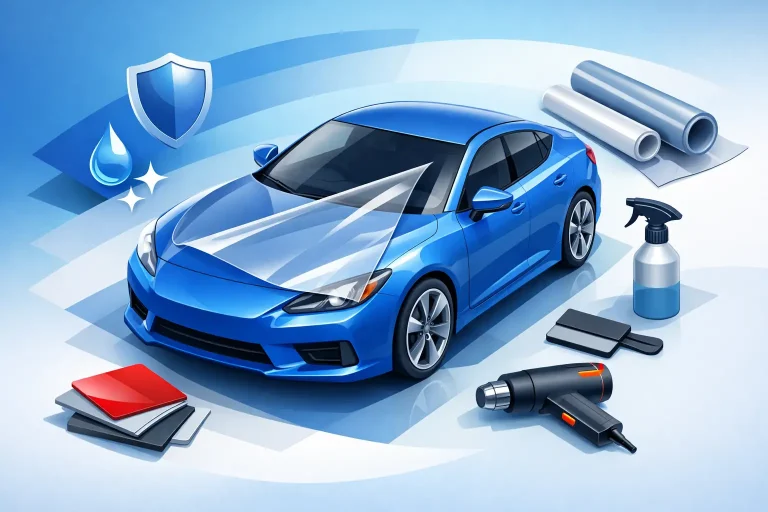
A thorough wash and decontamination removes residue that can interfere with protection. From there, the right choice depends on your vehicle, your expectations, and how long you want protection to last. A quality sealant gives useful short-term defense. A ceramic coating offers stronger chemical resistance, easier maintenance, and better durability through repeated winter washes. For high-impact areas, paint protection film adds another layer against chips and abrasion.
There is a trade-off here. A quick wax is better than nothing, but in a New England winter it usually will not hold up like a professional-grade coating or film solution. If you plan to keep the vehicle long term or want the simplest maintenance routine, stronger protection tends to pay for itself.
Wheels, tires, and wheel wells need attention
Wheels often show the worst of winter first. Brake dust mixes with salt and moisture, and the combination bonds quickly. Cleaning and protecting wheels before winter makes routine maintenance easier and helps preserve the finish.
Wheel wells matter more than most owners think. Packed grime in these areas traps moisture and makes the vehicle look dirty even after a wash. Tires also benefit from cleaning and proper dressing, though winter is not the season for overly glossy products. A clean, satin finish looks better and avoids the greasy appearance that can attract dirt.
Glass and trim should not be overlooked
Clear glass matters more in winter because conditions change fast. Road spray, snow glare, and shorter daylight hours all demand better visibility. Deep-clean the glass inside and out, and apply a water-repellent treatment if possible. Exterior trim should also be cleaned and protected so it does not fade or chalk from repeated exposure to salt and cold.
The winter car detailing checklist for ongoing care
Once winter is underway, consistency matters more than intensity. You do not need a full correction service every two weeks, but you do need a routine that keeps buildup under control.
Wash more often than you think
If roads are heavily salted, waiting until the vehicle looks filthy is usually too long. Regular washing helps prevent salt from sitting on paint and undercarriage areas for extended periods. Even a basic maintenance wash has value if it removes contamination from the lower body, wheels, and wheel wells.
Touchless washes can be useful in bad weather, especially when temperatures make hand washing unrealistic. They are not always as thorough, and some leave behind film, but they are often better than letting salt accumulate for weeks. A professional hand wash is still the better option when you want a safer, more complete clean.
Focus on the lower half of the vehicle
Winter grime collects heavily on rocker panels, bumpers, wheel arches, and behind the wheels. These are the areas that need the most attention during every wash. The upper panels may still look decent while the lower sections are carrying the damage risk.
Undercarriage rinsing is also worthwhile when conditions allow. It is not a substitute for proper detailing, but it helps reduce the amount of salt sitting underneath the vehicle.
Keep door jambs and seals clean
Door jambs are easy to ignore until they are caked with grime or frozen shut. Wiping them down regularly helps reduce buildup and makes the vehicle feel cleaner every time you get in. Rubber seals also benefit from occasional cleaning and conditioning. That can help prevent sticking and reduce wear during deep freezes.
Stay ahead of interior moisture
Winter interiors do not usually get ruined by one big spill. They get worn down by repeated moisture and debris. Vacuuming more often during winter makes a noticeable difference, especially around the pedals, seat rails, and edges of floor mats.
Rubber or all-weather mats are usually the smarter seasonal choice because they contain slush and are easier to clean. If you prefer carpet mats, they need more frequent attention to avoid salt staining and lingering odor. Fabric seats and carpets may also benefit from spot treatment before stains set in.
Clean the inside of the glass
A surprising amount of winter visibility trouble comes from the inside, not the outside. Film buildup from heater use, off-gassing materials, and moisture leaves glass hazy fast. A quick interior glass cleaning restores clarity and makes nighttime driving more comfortable.
What to watch for on luxury and daily-driver vehicles
The checklist is similar for every vehicle, but expectations should match the finish and use case.
For luxury vehicles, dark paint, gloss black trim, large wheels, and premium interiors tend to show winter wear more quickly. That does not mean they cannot be winter-driven. It means the margin for neglect is smaller. Protection, safe washing methods, and consistent upkeep matter more.
For daily drivers and family vehicles, practicality often leads the conversation. The focus may be stain prevention, odor control, salt removal, and preserving resale value rather than chasing a flawless finish. That is still detailing. It is just detailing with a different priority.
When DIY makes sense and when professional service is worth it
Some winter maintenance is easy to handle yourself. Wiping jambs, emptying mats, vacuuming, and doing light cleanup between storms can go a long way.
Professional detailing becomes more valuable when the vehicle already has contamination buildup, when paint protection needs to be applied correctly, or when time is the real issue. Busy professionals and families often mean to keep up with winter care but lose the battle somewhere between work, weather, and daylight. That is where a scheduled maintenance approach becomes useful. It keeps protection in place and avoids the cycle of neglect followed by a major spring restoration.
For owners who care about preserving a newer vehicle, correcting paint damage after winter is almost always more expensive than preventing it in the first place. That is one reason many clients choose recurring care with a certified provider rather than treating detailing as a once-a-year project.
A smarter winter routine looks like this
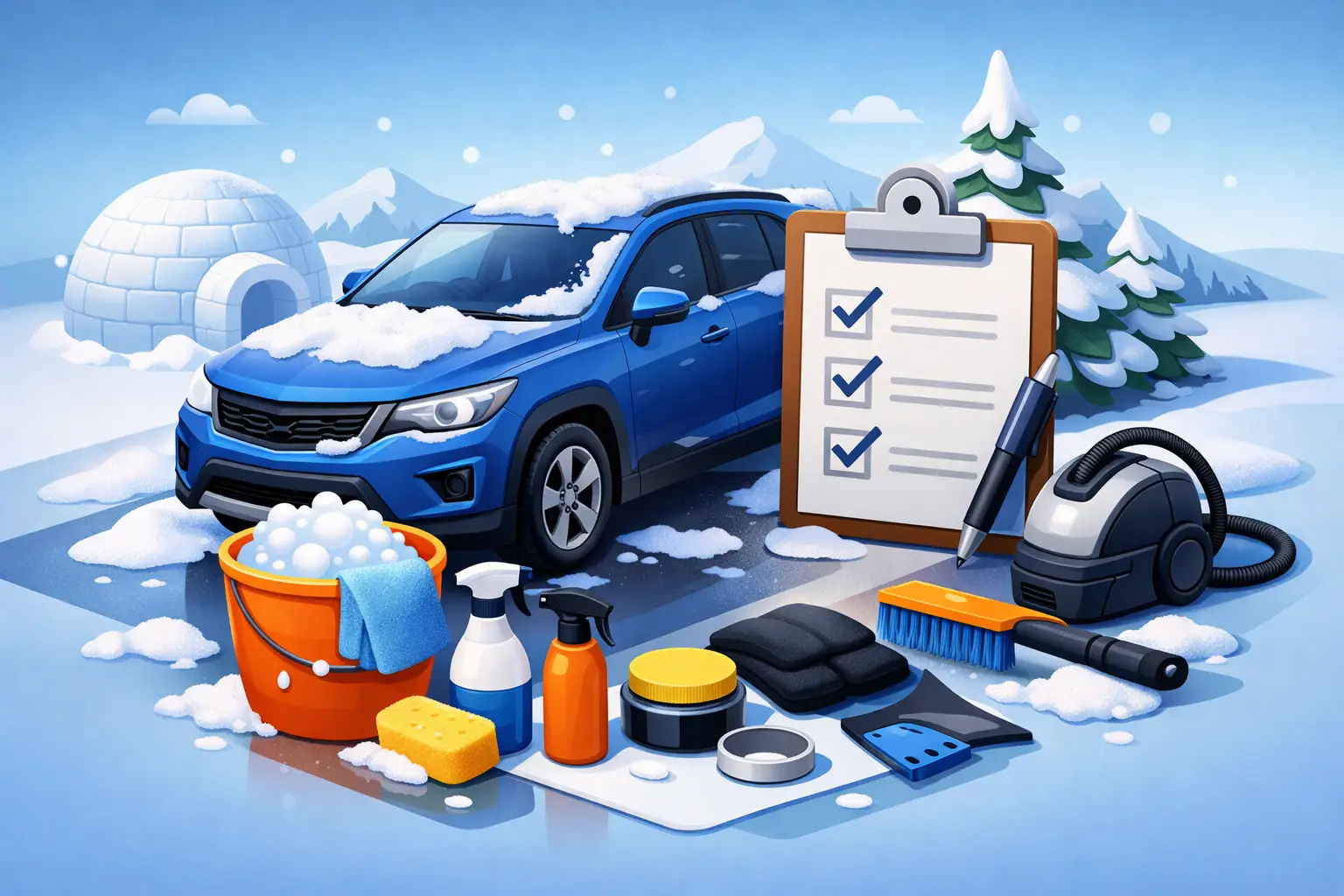
If you want the most practical version of a winter car detailing checklist, think in phases. Before winter, clean and protect everything you can. During winter, wash regularly, pay attention to lower panels and wheels, manage interior moisture, and keep glass clear. After major storms or road treatment, prioritize salt removal even if the vehicle does not look terrible yet.
At SPS Autocare, we see the difference that preventative care makes every spring. Vehicles that were protected and maintained through winter clean up faster, hold their finish better, and need less aggressive correction work.
Winter driving will always be hard on a vehicle in New England. The good news is that it does not have to leave lasting damage if your maintenance routine is built for the season and realistic enough to keep doing when the weather turns messy.