A black vehicle looks flawless at sunset and brutal under shop lights. That is usually when the question comes up: does paint correction remove scratches, or does it just make paint look a little better for a while?
The honest answer is yes, paint correction can remove some scratches, but not all of them. It depends on how deep the damage goes, what part of the paint system is affected, and how much clear coat can be safely refined. That is why a real inspection matters more than a quick promise.
What paint correction actually does
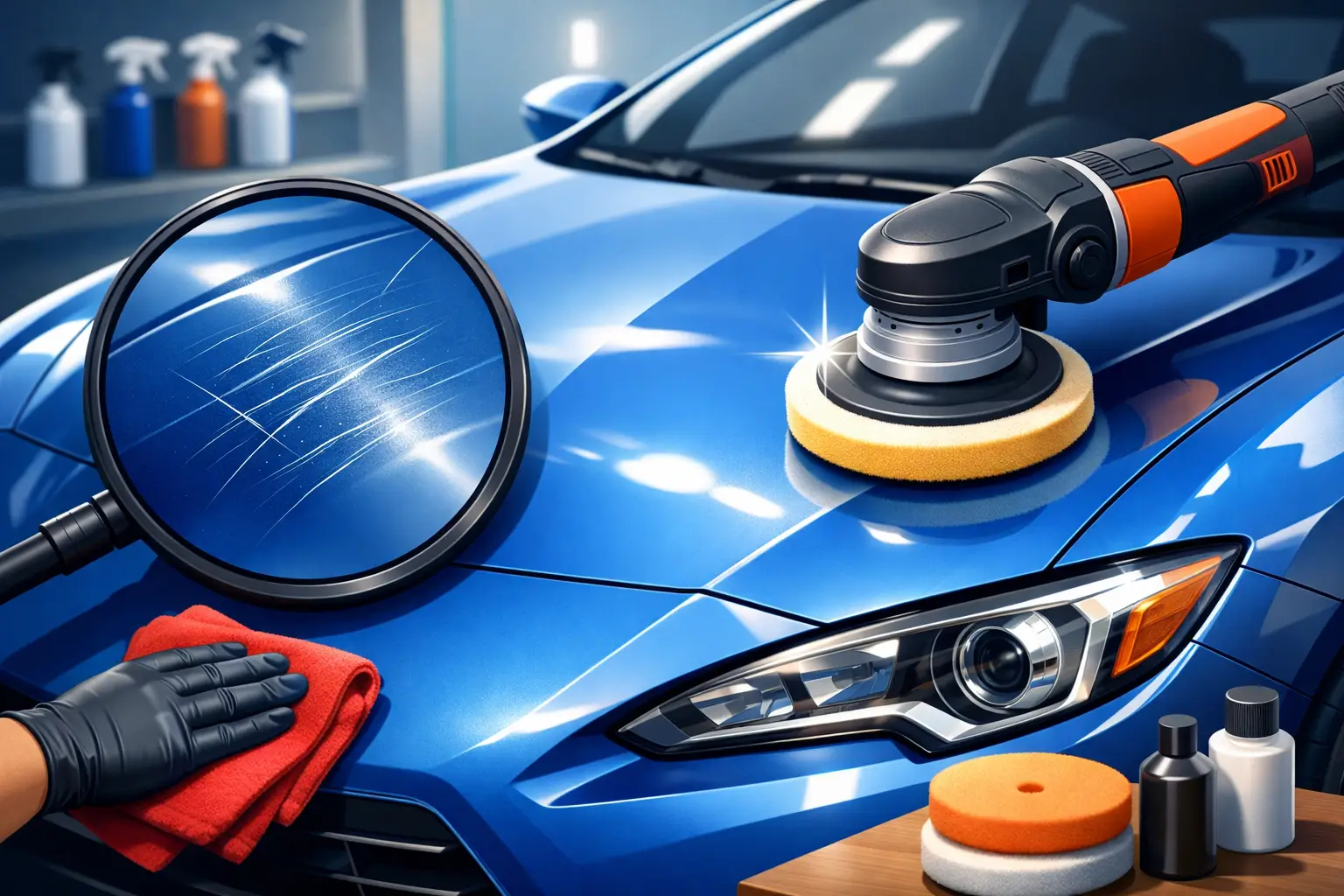
Paint correction is the process of leveling defects in the clear coat through machine polishing. On modern vehicles, the clear coat is the transparent top layer that sits over the color coat. When that surface has swirl marks, light scratches, oxidation, water spot etching, or haze, polishing can refine the surface so light reflects evenly again.
That distinction matters. Paint correction is not filling damage with wax and it is not covering it up with a temporary glaze. Done properly, it is removing a very small amount of damaged clear coat to reduce or eliminate visible defects.
For many owners, this is where expectations need to be reset. Correction improves the paint by refining the surface. It does not magically reverse every mark on the vehicle, and a professional should never treat every scratch as if it can be polished away without consequence.
Does paint correction remove scratches in every case?
No. Paint correction removes scratches only when those scratches are shallow enough to be safely corrected within the clear coat.
If a scratch sits in the upper portion of the clear coat, machine polishing may remove it completely. If it is deeper, correction may soften the appearance but leave part of the mark behind. If the scratch cuts through the clear coat into the base coat or primer, polishing will not remove it. At that point, touch-up work, wet sanding in select situations, or repainting may be the proper repair.
This is why two cars with what look like similar scratches can have very different outcomes. Paint hardness, paint thickness, scratch depth, previous polishing history, and even vehicle color all affect the result.
The easiest scratches to correct
The defects most likely to respond well are wash-induced marring, towel marks, light swirls, and shallow surface scratches caused by improper washing or brushing against the paint. These are common on daily drivers, especially darker vehicles that spend time in automatic car washes.
In those cases, a one-step or multi-step correction can produce a dramatic change. The surface looks glossier, reflections sharpen up, and the paint can go from tired to near-showroom in a day.
The scratches that may only improve
Moderate scratches are the gray area. These often catch your eye right away but may not catch a fingernail aggressively. A skilled detailer can often reduce them significantly, sometimes to the point where they are hard to notice in normal lighting.
That said, chasing perfection is not always the right move. Removing too much clear coat to eliminate a deeper scratch can create a bigger long-term problem than the scratch itself. Professional correction is about balancing results with paint safety.
The scratches paint correction will not remove
If you can see primer, exposed metal, or a sharp white line that clearly breaks through the color, paint correction is not the fix. The same goes for gouges that are physically too deep to level safely.
A useful rule of thumb is the fingernail test. If your fingernail catches hard in the scratch, there is a good chance it is too deep for full correction. That test is not perfect, but it gives a rough idea. A proper inspection under direct lighting is still the standard.
Why inspection matters before any correction work
Paint correction should never start with a guess. A professional detailer needs to assess the condition of the finish, look at defect severity under proper lighting, and understand how much room there is to work with.
Paint thickness readings can help, especially on vehicles that may have been polished before or have had bodywork. Some panels may have plenty of healthy clear coat. Others may already be thin. The right approach on a newer SUV may be very different from the right approach on a repainted luxury sedan.
That is one reason premium correction services cost more than a quick buff. The value is not just in the machine work. It is in the judgment behind it.
What the correction process usually looks like
Before any polishing begins, the vehicle needs a proper wash and decontamination. That includes removing bonded contaminants such as iron particles, road film, and other debris that can interfere with polishing or cause additional marring.
From there, the paint is inspected and test spots are performed. A test spot tells the detailer which pad, polish, and machine combination delivers the best balance of cut and finish. On some vehicles, a one-step correction gets excellent results. On others, a two-step or more advanced process is needed to remove defects and refine the finish.
This matters because correction is not one-size-fits-all. The goal is controlled improvement based on the condition of the vehicle, not an aggressive process used on every car the same way.
What kind of results should you expect?
For light to moderate defects, the improvement can be substantial. Many customers are surprised by how much clarity and depth return once the swirls and surface scratches are gone. Dark paint, in particular, tends to show the biggest transformation.
But good professionals talk in percentages, not guarantees. A vehicle might see 60 percent, 80 percent, or 95 percent defect removal depending on the paint and the damage. That kind of transparency is a good sign. It means the focus is on honest results and preserving the finish, not overselling perfection.
Paint correction vs. scratch repair
These terms are often used interchangeably, but they are not exactly the same.
Paint correction is surface refinement. Scratch repair can involve touch-up paint, sanding, localized repair, or repainting depending on the damage. If a scratch is through the paint, correction alone will not solve it. In some cases, the best result comes from combining methods – for example, touching up a chip or deep scratch and then polishing the surrounding area to improve the overall appearance.
That is where experience matters. The right recommendation is not always the most aggressive service. Sometimes it is the one that protects your paint and gives you the best visual improvement for the investment.
After correction, protection matters
Once the paint has been corrected, protecting it is the next step. Otherwise, the finish is exposed to the same bad wash habits, environmental fallout, and seasonal contamination that caused many of the defects in the first place.
A quality sealant or ceramic coating helps preserve the corrected finish, makes washing easier, and adds resistance to contaminants and minor marring. It will not make the car scratch-proof, but it can make maintenance more manageable and keep the paint looking better longer.
For New England drivers, this matters even more. Road salt, sand, winter wash routines, and changing temperatures are hard on paint. A corrected vehicle without protection can lose that crisp finish faster than most owners expect.
Is paint correction worth it?
If your vehicle has swirl marks, light scratches, dullness, or oxidation, paint correction is often one of the best ways to restore appearance and improve resale appeal without repainting the car. It is especially worthwhile before a ceramic coating, since coating over flawed paint locks those defects in visually.
It may be less worthwhile if the vehicle has widespread deep scratches, severe rock chips, or failed paint. In those situations, the smarter path may involve touch-up, panel repair, or repainting instead of trying to polish your way out of structural damage.
For owners who care about how their vehicle looks and want honest guidance, the best service experience starts with a clear inspection and realistic expectations. A qualified shop will tell you what can be fully corrected, what can be improved, and what should be left alone.
At SPS Autocare, that level of transparency is part of the job. Certified detailing is not about making every scratch disappear with sales language. It is about understanding the paint, correcting what can be safely corrected, and helping you protect the result.
If you are looking at scratches and wondering whether correction is the right move, the best next step is not guessing from the driveway. It is getting the paint evaluated under the right lighting so you can make a smart decision before removing even a fraction of a clear coat.