A black SUV looks incredible the day it’s detailed. Two weeks later, after highway miles, pollen, rain, and a few rushed car washes, the real test begins. That’s where the ceramic coating vs wax question matters most – not in a showroom, but in everyday driving across New England.
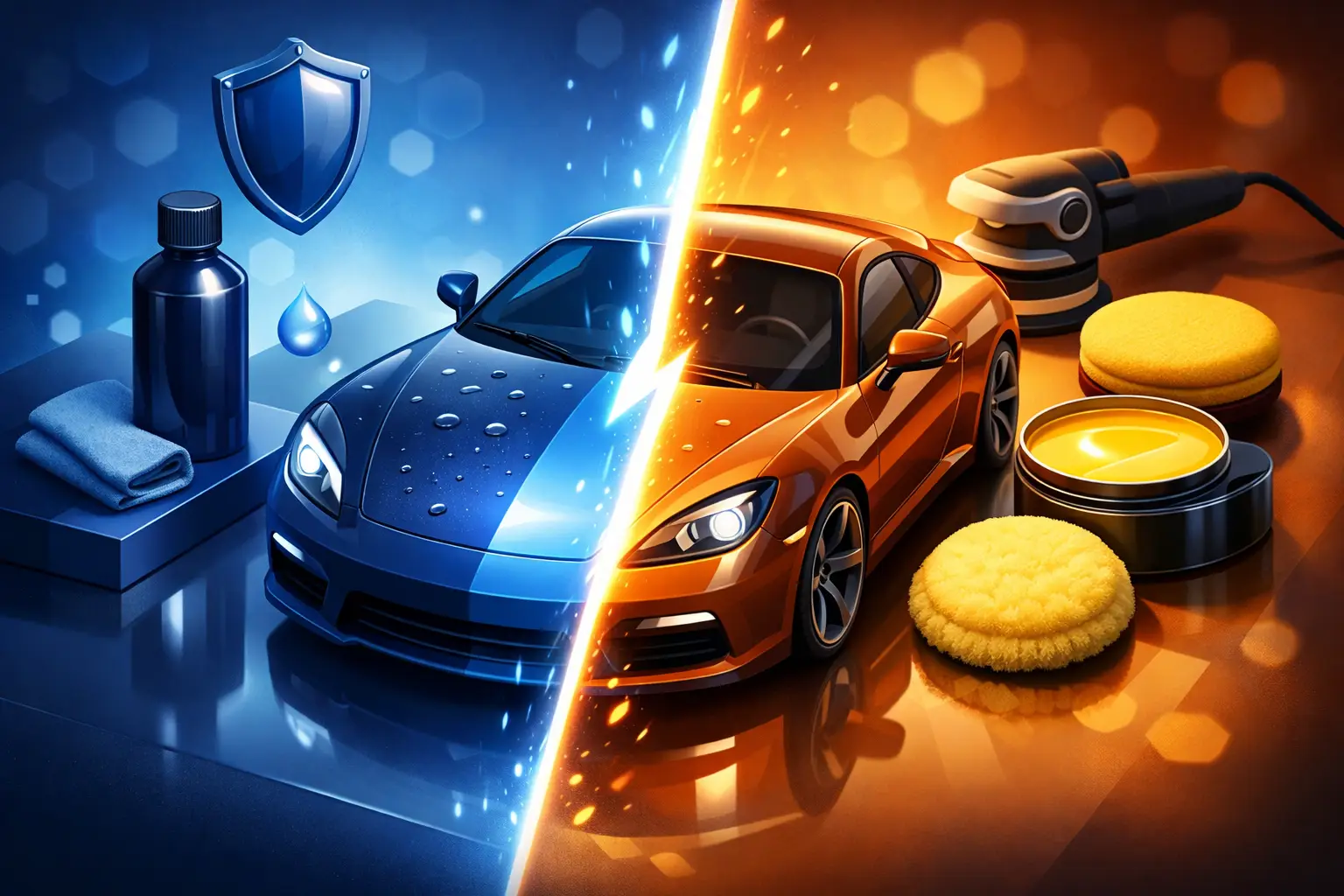
Both options are designed to protect your paint and improve gloss, but they do very different jobs over time. If you want the short version, wax is the traditional, lower-cost option that adds shine and a modest layer of protection. Ceramic coating is the longer-term solution built for stronger durability, easier maintenance, and better resistance to the wear your vehicle sees in the real world.
Ceramic coating vs wax: the real difference
Wax sits on top of the paint as a sacrificial layer. It can make the finish look richer and feel smoother, but it wears away relatively quickly. Heat, rain, detergents, road grime, and repeated washes all break it down. That means wax works best for owners who don’t mind frequent upkeep.
Ceramic coating also sits on top of the paint, but it bonds much more effectively to the surface and creates a far more durable form of protection. It is not bulletproof, and it is not a substitute for paint protection film on high-impact areas, but it offers a longer-lasting barrier against UV exposure, chemical contamination, water spotting, and routine environmental fallout.
For most drivers, the biggest practical difference is maintenance. A waxed car can look great, but it usually needs more frequent reapplication and more effort to keep that just-detailed appearance. A coated vehicle is typically easier to wash, easier to dry, and easier to keep looking sharp between professional services.
How wax performs in everyday ownership
There is a reason wax has been around so long. It works, it looks good, and it is accessible. For someone with an older vehicle, a weekend car, or a tighter budget, wax can still be a smart choice.
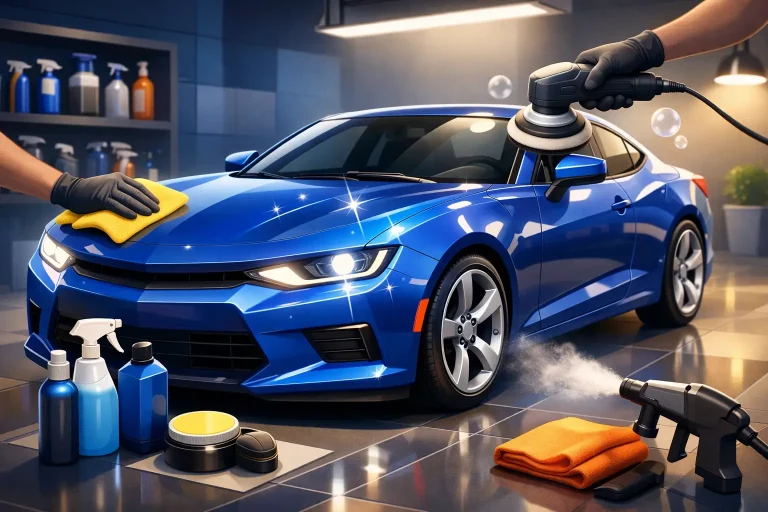
A quality wax adds gloss and gives paint a warm, freshly polished look that many owners love. It can also provide short-term defense against light contamination and minor weather exposure. If you enjoy hands-on car care and don’t mind reapplying protection every few weeks or months, wax can fit your routine well.
The trade-off is consistency. Wax protection drops off faster than most owners expect, especially on daily drivers. In New Hampshire, Massachusetts, Maine, and Vermont, vehicles deal with road salt, sand, snow, tree sap, bug residue, and sharp temperature swings. Those conditions are hard on wax. A finish that beads water nicely in the beginning may lose that effect much sooner than you hoped.
Wax also does less to simplify maintenance. Dirt tends to cling more, washing takes more effort, and the finish usually loses its slickness faster.
Why ceramic coating has become the preferred upgrade
Ceramic coating is popular for a simple reason: it solves the biggest frustrations people have with traditional protection. It lasts longer, performs better in harsh conditions, and helps vehicles stay cleaner-looking between details.
When professionally installed on properly prepared paint, a ceramic coating creates a hydrophobic surface that pushes water off more effectively and reduces how strongly contaminants stick. That does not mean your car stays clean forever. It means washing is easier and the paint has a better chance of resisting the daily buildup that dulls the finish.
This matters even more if you drive often, park outside, or simply do not have time for constant upkeep. Busy professionals, families, and luxury vehicle owners usually are not looking for one more maintenance task. They want protection that supports their schedule instead of adding to it.
A coating also holds up better under repeated washing. That makes it a stronger fit for vehicles that need to look consistently well-kept over the long term, whether that means preserving resale value, protecting a newer purchase, or maintaining a premium appearance year-round.
Ceramic coating vs wax on gloss and appearance
Both wax and ceramic coating can make a vehicle look excellent, but the look is slightly different.
Wax is often associated with warmth and richness, especially on darker colors. It gives paint a freshly dressed appearance that many people still appreciate. On a vehicle that is garage-kept and carefully maintained, wax can be more than enough to create a beautiful finish.
Ceramic coating tends to deliver a sharper, clearer, high-definition gloss. It enhances reflectivity and helps that clean appearance last longer after the service is complete. The finish often looks crisper rather than softer.
That said, neither product can hide neglected paint. If your vehicle has swirl marks, oxidation, or wash damage, those flaws remain unless the paint is corrected first. The quality of prep work matters just as much as the protection itself. A professionally polished surface under ceramic coating will almost always outperform a quick coating application over uncorrected paint.
Cost matters, but so does value
Wax is less expensive upfront. That is one of its biggest advantages, and for some owners, it is the right call. If you plan to keep the vehicle for only a short time, or you prefer lower initial cost over long-term performance, wax may make financial sense.
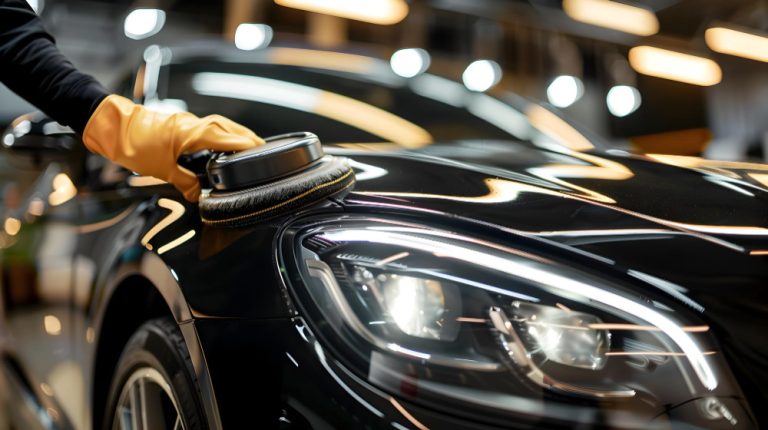
Ceramic coating costs more because the process is more involved. Proper installation includes decontamination, paint evaluation, and often paint correction before the coating is applied. That labor is not extra fluff. It is what helps the finished result look right and perform the way it should.
The better question is not which one is cheaper. It is which one gives you the better return for how you use your vehicle. If you are paying for regular waxing several times a year and still fighting fading gloss, difficult cleaning, and weather-related wear, ceramic coating can become the better value over time.
For owners of newer vehicles, high-end vehicles, or anything they plan to keep, professional coating is usually the more strategic investment.
Which option is better for New England weather?
For this region, ceramic coating usually has the edge.
New England is demanding on automotive finishes. Winter brings salt and brine. Spring adds pollen and rain. Summer brings strong sun, bugs, and tree fallout. Fall adds leaf debris and moisture. That constant cycle wears down traditional wax quickly.
Ceramic coating is not immune to those conditions, but it handles them better. It gives the paint a more resilient layer against seasonal contamination and makes cleanup less of a chore after storms, slush, or long commutes. If your vehicle lives outside or sees daily mileage, that added durability is hard to ignore.
Wax can still be useful on secondary vehicles, fair-weather cars, or for owners who enjoy frequent detailing. But for the average daily driver facing four true seasons, ceramic coating is the more practical choice.
When wax still makes sense
Wax is not obsolete. It simply serves a different kind of owner.
If you like maintaining your own vehicle regularly, enjoy reapplying protection, or want a lower-cost solution for an older car, wax can absolutely work. It is also reasonable if your car is stored indoors, driven lightly, and not exposed to much harsh weather.
Some owners also choose wax as a temporary option while planning for future paint correction or coating work. In that case, it can help improve appearance in the short term without a major investment.
The key is being honest about expectations. If you want months or years of easier upkeep, wax will likely feel like too little. If you are comfortable with regular reapplication and just want a solid shine boost, it may be enough.
When ceramic coating is the smarter move
Ceramic coating is usually the better fit if you want long-term protection, easier washing, and a finish that stays glossier between services. It is especially valuable for newer vehicles, dark-colored paint, luxury models, and any car you care about keeping in top condition.
It also makes sense for people who value convenience. Professional installation, paired with proper maintenance, reduces the need for constant rework. For many clients, that alone justifies the upgrade.
At SPS Autocare, this is often where education matters most. The right recommendation depends on the vehicle, paint condition, storage habits, driving pattern, and ownership goals. There is no one-size-fits-all answer, but there is usually a clear best fit once those factors are on the table.
If you are deciding between ceramic coating and wax, think less about the sales pitch and more about your routine. The best protection is the one that matches how you actually drive, park, wash, and keep your vehicle. When that choice is made well, your car does not just look better on day one – it stays easier to care for long after the detail is finished.