Black paint looks incredible for about five minutes after a bad wash – and painfully average for weeks after. That is why owners keep asking about the best protection for black cars. The answer is not one product in a vacuum. It is the right combination of correction, protection, and maintenance based on how the vehicle is used, where it is parked, and how picky you are about every tiny mark showing in direct sun.
Black paint is unforgiving because it reveals almost everything. Fine swirls, towel marring, water spots, pollen film, road salt residue, and random light scratches all stand out harder on black than they do on silver, gray, or white. That does not mean black is harder to protect in a technical sense. It means mistakes are easier to see, and maintenance standards need to be higher if you want that deep, clean, mirror-like finish to last.
What is the best protection for black cars?
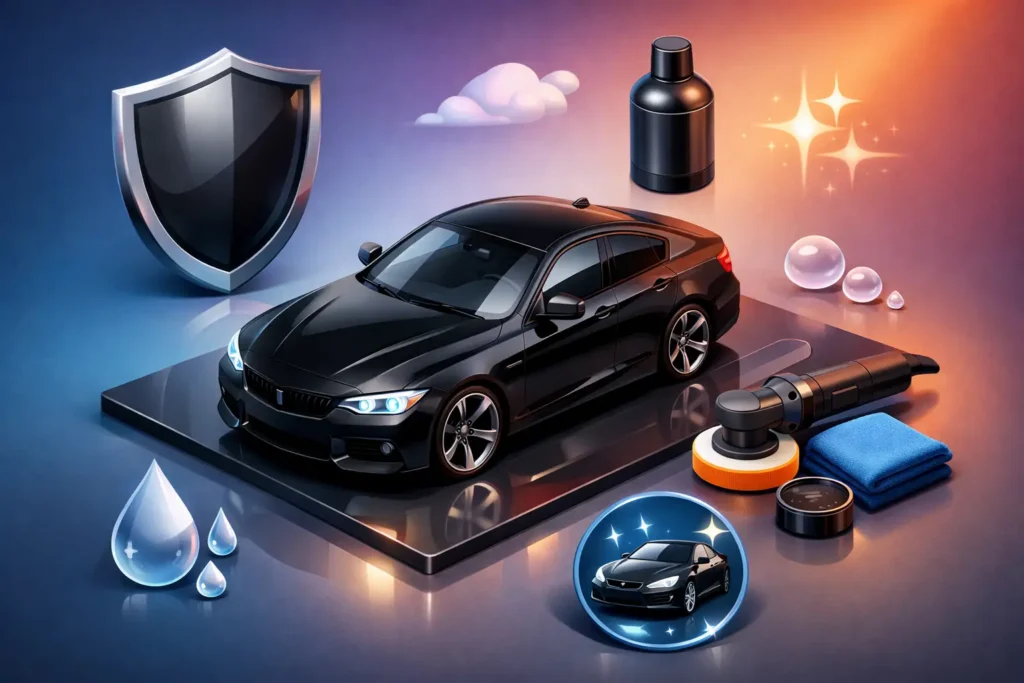
For most owners, the best protection for black cars is a professionally prepped ceramic coating paired with careful hand washing and regular maintenance. If you want the highest level of physical protection against rock chips and abrasion, paint protection film is the stronger option for the most exposed areas, and many owners combine PPF and ceramic coating for the best overall result.
That distinction matters. Ceramic coating is excellent for gloss, easier cleaning, chemical resistance, and keeping the surface looking sharper for longer. Paint protection film, or PPF, is thicker and built to absorb impact and reduce damage from road debris. If your concern is black paint looking amazing day to day, ceramic coating is often the best value. If your concern is preserving front-end paint on a highway-driven or luxury vehicle, PPF deserves serious consideration.
Why black paint needs a different protection strategy
A black car does not just need protection from weather. It needs protection from bad technique. Automatic car washes, low-quality towels, quick dealership washes, and rushed drying methods are often what ruin the look first. On black paint, a small amount of wash-induced marring can make a clean vehicle look neglected.
That is why prep matters as much as the coating itself. If a black vehicle already has swirl marks, oxidation, or haze, sealing that condition under a premium coating will not create the finish most owners expect. The coating will protect what is there. It will not magically erase defects. Proper decontamination and paint correction are what create the sharp, liquid gloss black owners usually have in mind.
Ceramic coating on black cars
Ceramic coating is a strong fit for black paint because it enhances depth, improves slickness, and helps reduce how aggressively dirt bonds to the surface. That means easier washes, less friction during maintenance, and better odds of preserving a polished finish over time.
But there is a realistic trade-off. Ceramic coating does not make your car scratch-proof. It helps resist contamination and can reduce minor wash marring when the vehicle is cared for correctly, but it will not stop rock chips, parking lot scrapes, or damage from poor wash tools. Some owners hear the word coating and expect armor. That is not the right expectation.
A quality ceramic coating becomes more valuable when the car is maintained properly. For busy professionals and families, that matters. A coated black car usually cleans up faster, sheds grime better, and stays glossier between services. It is not just about appearance. It is about reducing maintenance friction so the vehicle is easier to keep in premium condition.
When paint protection film makes more sense
If your black vehicle sees frequent highway miles, winter driving, or gravel-prone roads, PPF may be the more important first step. Black front bumpers and hoods show chips and pitting quickly, especially in New England conditions where road sand, salt, and debris are part of the season.
PPF adds a sacrificial layer that ceramic coating cannot match. It helps absorb impact, resist scratching better than bare paint, and preserve the finish on the areas that take the most abuse. Full-front coverage is a common middle ground because it protects the hood, bumper, fenders, and mirror caps without the cost of wrapping the entire vehicle.
For owners chasing the best result, combining PPF on high-impact areas with ceramic coating over the rest of the vehicle is often the smartest route. You get real physical protection where it counts and easier maintenance across the full exterior.
Best protection for black cars depends on your use case
There is no single answer that fits every black car owner. A garage-kept weekend vehicle has very different needs than a daily-driven SUV parked outdoors year-round. If the car is newer and the paint is already in strong condition, applying protection early makes sense. If it has years of swirl marks and wash damage, correction should come first.
Budget matters too, but so does what you are actually buying. A lower-cost wax or sealant may offer decent short-term shine, but it typically will not deliver the durability, chemical resistance, or maintenance benefits of a professional-grade coating. At the same time, not every vehicle needs a full-body PPF installation. Good recommendations come from looking at the vehicle honestly, not upselling the most expensive package.
What about wax and sealants?
Traditional wax still has a place, especially for owners who enjoy hands-on care and do not mind reapplying protection often. It can add warmth and gloss to black paint, and some enthusiasts like the look. Synthetic sealants usually last longer and hold up better against the elements.
The issue is longevity and consistency. On a daily driver, especially through changing seasons, wax and entry-level sealants are temporary solutions. They can work, but they require more frequent attention. If your goal is convenience, durability, and long-term gloss retention, ceramic coating is usually the more practical choice.
The real key: washing black cars the right way
The best protection system can still be undermined by poor maintenance. Black paint rewards gentle, consistent care and punishes shortcuts fast. A coated or filmed car still needs to be washed correctly.
Use high-quality wash media, clean microfiber drying towels, and methods that minimize friction. Avoid tunnel washes with brushes. Be cautious even with touchless washes, because strong chemicals can degrade protection over time and may not fully remove heavy contamination. Hand washing, whether done at home properly or handled by a trusted professional, is still the safest way to preserve black paint.
Drying matters more than many people realize. Water spots show hard on black, and aggressive drying is a common source of micro-marring. Clean towels, good lubrication, and a careful process make a visible difference.
Why professional prep changes the result
Protection is only as good as the surface underneath it. Professional prep includes washing, iron removal, clay decontamination when needed, paint inspection, and correction tailored to the vehicle. That process is what separates a decent result from a finish that actually looks refined in sunlight.
This is especially important with black vehicles because every shortcut is visible. Holograms from poor polishing, leftover contamination, or hidden swirl patterns will not disappear under a coating. A certified detailer should be able to explain what level of correction is appropriate, what defects can realistically be improved, and how to maintain the finish after service.
For owners who want both convenience and quality, working with a provider that combines skilled correction, true protection options, and ongoing maintenance support is often the best long-term decision. That is where companies like SPS Autocare tend to stand apart – not just in applying products, but in delivering the prep, standards, and follow-up care black paint demands.
How to choose the right protection package
If you want the cleanest balance of looks, durability, and easier upkeep, choose paint correction plus ceramic coating. If chip prevention is your top concern, prioritize PPF on the front end. If you want both appearance and defense, combine them.
If the car is older, start with a paint assessment rather than guessing. Some black finishes need only light correction before protection. Others need more involved polishing to remove years of wash damage. The right plan should fit the car, your expectations, and your ownership habits.
One more point that often gets overlooked: maintenance plans are not an upsell when it comes to black paint. They are often what keeps the original investment looking worth it. A black car can look incredible after correction and protection, but without proper upkeep, even premium work loses its edge faster than owners expect.
Black paint can be the most rewarding finish on the road when it is cared for properly. If you treat protection as a system instead of a single bottle, you will spend less time chasing the shine back and more time enjoying the way the vehicle looks every time the light hits it right.